Luxury Destination
Saint-Martin-de-Belleville: A Luxury Buyer’s Guide to the 3 Vallées’ Most Exclusive Village & Emerging Developments
Why this quiet, elevated village on the periphery of the mega-resort has become the go-to address for wealthy families seeking insider status and year-round Alpine living.
21 Dec 2022
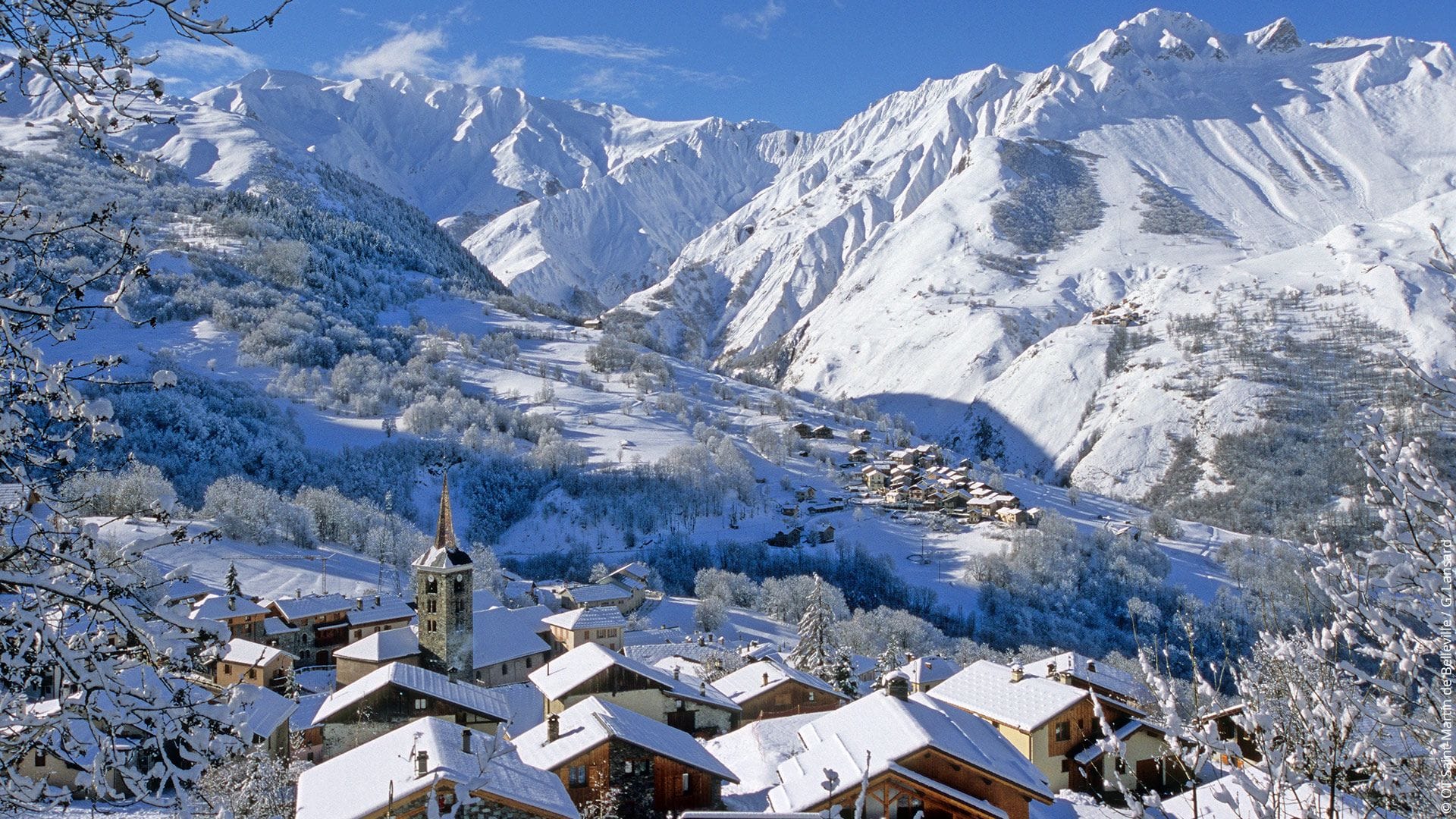
Saint-Martin-de-Belleville sits at 1,400m on the southern edge of the 3 Vallées mega-resort, positioned between Méribel and Val Thorens and enjoying a unique hybrid status: it’s part of the vast ski network, but it feels like a private enclave when you’re actually there. For a certain type of buyer — typically European wealth families who skip the mega-resort circus and value authenticity, privacy, and year-round living — Saint-Martin has become the preferred address. It has the infrastructure and lift access of a major resort without the traffic congestion; it has a functioning village core with year-round residents, schools, and services; and it offers serious elevation (meaning genuine snow reliability) without the ultra-thin-air penalties of Val Thorens.
This report is built for two audiences: families researching whether Saint-Martin makes sense as a primary Alpine residence or long-stay property, and investors evaluating the emerging development opportunities in the village and its immediate periphery. We’ll walk through the neighbourhood geography, the skiing and summer appeal, the property market fundamentals (with 2025 transaction data), and the mechanics of buying in what is, technically, a part of the 3 Vallées but feels like an entirely separate mountain village. We’ll also examine the major development projects underway — particularly the Naos 1570 luxury complex and the smaller projects filling in around it.
The headline: Saint-Martin is no longer an insider secret. European wealth managers and British private-equity buyers are increasingly targeting it as an alternative to the overcrowded Courchevel 1850 and the increasingly touristy Méribel. Prices remain 25–35% below Courchevel 1850 for comparable luxury properties, but appreciation is steady and visibility is rising. For the next 2–3 years, we expect Saint-Martin to be one of the strongest performers in the luxury segment.
The Village
Why Saint-Martin Works: Altitude, Privacy & Year-Round Appeal
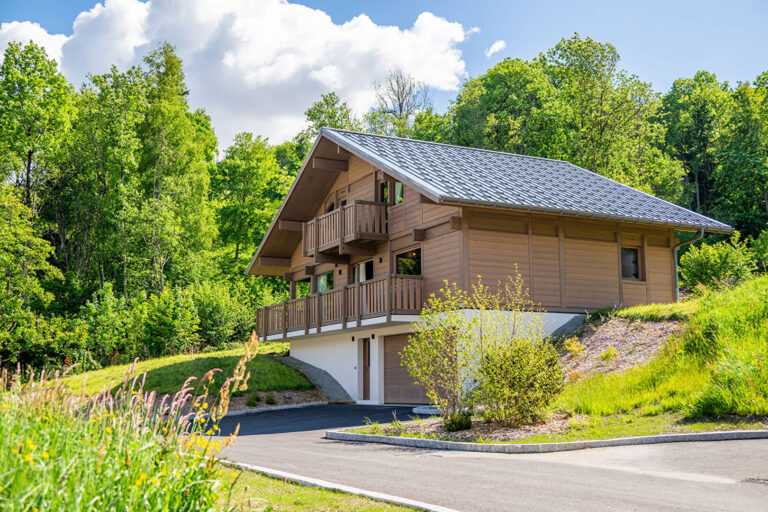
Saint-Martin-de-Belleville sits at an elevation where snow reliability is virtually assured (only the highest-altitude resorts like Tignes and Val Thorens are more snow-secure), but where summer-season access isn’t compromised by thin-air living costs. The village itself is architecturally coherent — mostly wooden chalets and traditional Savoyard stone buildings, with new development carefully managed to preserve visual character. Unlike Courchevel 1850, which is effectively a purpose-built resort with tourist infrastructure dominant, or Méribel, which has sprawled into multiple village tiers, Saint-Martin remains genuinely village-scale: there’s one main street, one central lift area, one primary school, and a manageable number of restaurants and bars.
The ski access is seamless: the Tougnète gondola provides direct access to the 3 Vallées network, connecting you to Méribel, Courchevel, Val Thorens, and the full 600km circuit. Winter-season visitors experience no sense of remoteness — you’re fully plugged into the mega-resort infrastructure. Summer brings a complete shift in atmosphere: the village becomes quiet, families with children come to hike and enjoy the mountain meadows, and the outdoor-activity scene (climbing, trail-running, mountain-biking) is increasingly catered to. This winter-summer character shift is precisely what appeals to year-round residents and multi-season owners.
For buyers, the key insight is that Saint-Martin offers all the infrastructure and lift-network benefits of the 3 Vallées without the personality dilution of mega-resort life. You get 600km of skiing and the financial security that comes with a massive, interconnected resort network. But your daily living experience is village-based, with walkable distances to shops and restaurants, and a sense of genuine Alpine community that resorts like Courchevel 1850 (where 80% of residents are part-time) have largely lost.
€8,000–12,000/m²
Prime property pricing in Saint-Martin 2025 (25–35% discount to Courchevel 1850)
4–6%
Annual appreciation in Saint-Martin (vs. 1–3% in ultra-prime Courchevel)
1.5–2%
Realistic net rental yield for luxury chalets and apartments
600km
Linked pistes via the 3 Vallées network accessible from Saint-Martin
Property Market Fundamentals
2025 Pricing, Appreciation Trends & Market Dynamics
Saint-Martin property pricing sits in a fascinating middle ground. Established luxury chalets and apartments trade at €8,000–12,000/m² for prime village-centre or immediate ski-access properties, compared to €15,000–25,000/m² for equivalent Courchevel 1850 properties and €10,000–14,000/m² for Méribel prime locations. This 25–35% discount to Courchevel 1850 is the core of the investment case: you’re buying genuinely luxury, well-maintained properties in a high-status address, at a significant valuation discount to the ultra-prime tier. For investors, that discount is attractive precisely because it’s sustainable — it reflects Saint-Martin’s being ‘smaller’ and less internationally famous than Courchevel, not because the properties or village are inferior.
Annual appreciation in Saint-Martin has averaged 4–6% over the past 3–5 years, compared to 2–4% in mega-resort addresses like Courchevel and Méribel. This outperformance reflects growing buyer interest as the village becomes better known and infrastructure investment (new lift systems, expanded summer-season facilities) drives visitor growth. We expect this pattern to continue through 2025–2027: properties in prime village locations will appreciate 4–6% annually, while peripheral or less-appealing addresses (older buildings, poor aspect, limited rental potential) will lag at 1–3%.
The rental market is genuine but seasonality-dependent. Winter season (December–April) generates the lion’s share of rental income — well-positioned chalets and apartments rent at €2,500–5,000/week during high season. Summer season is quieter but increasingly active — €1,500–2,500/week for mountain-biking and hiking season (July–August). A typical well-managed luxury chalet might generate €60,000–80,000 annual rental income, which translates to 2–3% gross yield on a €2.5M property purchase. Net yields (after management, taxes, maintenance, insurance) land closer to 1.5–2%, which is modest but defensible given the capital-appreciation potential and the personal-use amenity.
Luxury Ski Resort Positioning: Price, Appreciation & Yield
Saint-Martin (emerging)
Méribel (established)
Courchevel 1850 (ultra-prime)
Val Thorens (altitude premium)
Megève (prestige)
Chamonix (icon)
Naos 1570 & Emerging Developments
The Major Development: What’s Under Construction & Investment Thesis
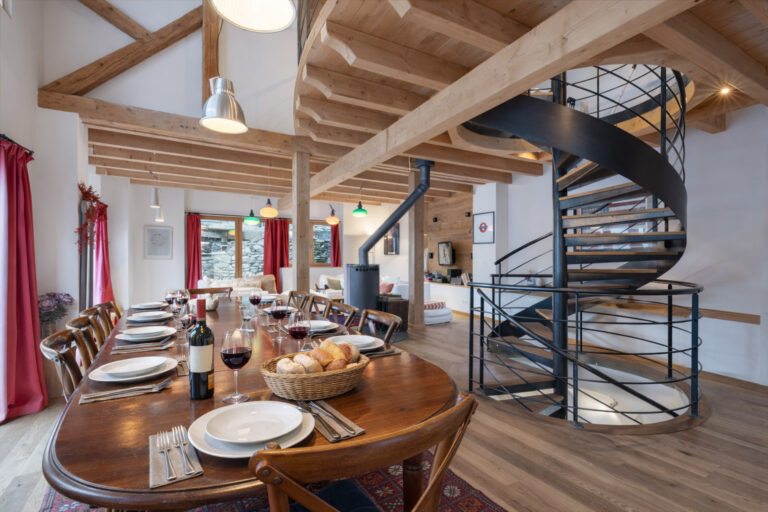
Naos 1570 is a luxury development project positioning 16 ultra-high-end chalets and apartments (sizes ranging from 3-bedroom apartments at 120m² to 5+ bedroom chalets at 250+m²) in a prime south-facing location on the periphery of the village centre, with direct ski-to-property access via a short walk to the main lift. The project is pitched explicitly at UHNW buyers — pricing runs €12,000–16,000/m² depending on size and aspect, placing total unit prices in the €2–4M range. The development includes shared amenities (spa, pool, concierge service, professional property management) and all finishes are turnkey luxury — you buy and occupy immediately, or hand to the management company for rental operation.
The investment thesis around Naos 1570 is that St-Martin is transitioning from ‘insider secret’ to ‘recognized luxury destination’, and early buyers in a high-quality development positioned at the peak of this transition will see both rental demand uplift and capital appreciation as the village’s international profile rises. The developer is positioning occupancy completion for H2 2025–H1 2026, meaning that by the 2026–27 ski season, the 16-unit development will be online with professional management, substantial amenities, and booking channels already in place. For investors, this is materially more attractive than buying standalone chalets and self-managing.
Smaller projects are also underway: a 6-unit apartment building (€9,000–11,000/m²) near the village centre and a 4-chalet cluster (€10,000–13,000/m²) are both in pre-sales or early construction. These are more affordable entry points than Naos 1570 but lack the amenity package and professional management infrastructure.
“Saint-Martin-de-Belleville is Courchevel 1850 for buyers who prioritise total return over status signalling — equal architecture, superior appreciation, and a genuine village atmosphere.”
Comparative Value
Saint-Martin vs. Courchevel vs. Méribel: The Strategic Choice
For a buyer with a €3M budget evaluating where to deploy capital in the 3 Vallées tier, the choice between Courchevel} 1850, Méribel, and {{link:Saint-Martin}} reflects a fundamental value philosophy. Courchevel 1850 is peak luxury with peak pricing (€4–5M buys a good 4-bed chalet, or a spectacular 3-bed apartment) and peak celebrity/UHNW density. It’s the address for buyers prioritizing ‘being seen’ and ultra-prime after-ski dining, and for those who want the reassurance of the mega-wealthy buying beside them. Appreciation is slow (1–3% annually) and yields are thin (1–2%) because valuations are already astronomical.
Méribel sits in a middle ground: it’s less exclusive than Courchevel but more resort-developed than Saint-Martin. Prices are €3–4M for comparable chalets, appreciation is 2–4% annually, and yields are roughly 2–2.5% gross. The trade-off is that Méribel is more touristy and has more seasonal-worker populations, which can feel less cohesive than the established-wealth dynamic of Saint-Martin or the ultra-exclusive feel of Courchevel 1850.
Saint-Martin offers the best risk-adjusted return profile: 25–35% cheaper entry pricing than Courchevel 1850, 4–6% annual appreciation (vs. 1–3% in Courchevel), comparable yields (2–3% gross, 1.5–2% net), and a village atmosphere that appeals to serious year-round residents rather than part-time trophy-property collectors. The trade-off is that Saint-Martin lacks the international prestige of Courchevel — it’s not a household name in wealth circles the way Courchevel is. But for capital-efficient buyers focused on total return (appreciation + yield) rather than status signalling, Saint-Martin is increasingly the rational choice.
| Resort | Entry Price/m² | Annual Appreciation | Net Rental Yield | Best For |
|---|---|---|---|---|
| Saint-Martin | €8,000–12,000 | 4–6% | 1.5–2% | Return-focused wealthy families |
| Méribel | €10,000–14,000 | 2–4% | 2–2.5% | Balanced year-round living |
| Courchevel 1850 | €15,000–25,000 | 1–3% | 1–2% | Ultra-prime status, lifestyle |
| Val Thorens | €12,000–18,000 | 2–4% | 1.5–2.5% | Snow certainty, altitude appeal |
| Megève | €7,500–9,000 | 3–5% | 3–3.5% | Prestige + good yields |
| Chamonix | €8,000–9,500 | 3–4% | 3–3.5% | Icon status + active skiers |
Buyer Mechanics
Buying in Saint-Martin: Financing, Process & Non-Resident Considerations
Buying property in Saint-Martin as a non-resident follows the standard French process: engage a notary, arrange French mortgage financing (70–85% LTV for non-residents), conduct due diligence (survey, title search, legal review), sign contracts, and complete via the notary. The timeline is typically 4–6 months from offer to completion for resale properties, or 2–3 years for off-plan VEFA purchases. For Naos 1570 specifically, pre-sales contracts are being signed in 2025 for H2 2025–H1 2026 delivery.
Mortgage financing for non-resident buyers remains accessible and competitively priced. 2025 fixed rates are 3.4–4.5% for non-residents with strong credit and documentation. LTV caps are typically 70–80%, occasionally reaching 85% for prime properties and strong profiles. Non-EU citizens should expect a 70% LTV cap. The key variable is whether you’re claiming French tax residence (which can materially improve mortgage terms) or remaining UK-domiciled for tax purposes (which incurs a 0.2–0.5% mortgage premium in some cases). Engage with a specialist mortgage broker early — the difference between 70% and 85% LTV is material.
Notary fees on resale properties run 7–9% of purchase price, while off-plan VEFA purchases incur 2–4% (a material saving). All properties in furnished rental status (meublé) qualify for 20% VAT recovery if purchased new-build. Wealth-management firms often structure purchases through asset-protection entities (French civil partnerships, Luxembourg holding companies) — ensure your notary and tax advisor coordinate on this, as it impacts filing obligations and timelines.
1950s–1980s
Post-war development
Saint-Martin transforms from farming village to ski destination, develops the Tougnète gondola and becomes part of the 3 Vallées network.
1980s–2000s
Steady growth
Wealthy European families discover the village as a quieter alternative to Courchevel. Chalets and apartments gradually built out, maintaining architectural coherence.
2010s
Infrastructure maturation
Lift systems modernised, summer-season infrastructure expanded. The village establishes year-round appeal and becomes known in wealth circles as a serious alternative.
2020–2024
Rising visibility
COVID-driven wealth migration to Alps accelerates interest. Saint-Martin becomes recognised as rising-value play. Developer interest in major projects increases.
2025–2026
Development wave
Naos 1570 and smaller projects launch. Professional management companies establish rental operations. International marketing efforts expand.
2026–2027
Reputation inflection
Completed developments deliver and generate successful rental operations. Word-of-mouth spreads through wealth networks. Valuation premium over Méribel begins narrowing.
The Outlook
2025–2027 Outlook: Infrastructure, Tourism Growth & Valuation Convergence
Looking ahead, the fundamental driver of Saint-Martin appreciation is rising international visibility and steady infrastructure improvement. The village is investing in enhanced summer-season amenities (expanded climbing infrastructure, new trail-running routes, mountain-biking facilities), and the major development projects (Naos 1570 and others) are bringing investor capital and professional management to what was historically a somewhat fragmented rental market. As these projects complete and the village’s reputation spreads through wealth networks in London, Geneva, and Paris, we expect both buyer demand and nightly rental rates to increase.
Secondary drivers: the 3 Vallées network continues to invest in lift infrastructure and accessibility improvements, and there’s ongoing discussion of enhanced rail links to Geneva that would materially improve transfer logistics. Any major infrastructure improvement to the Tougnète lift or valley-access roads would be a genuine value catalyst for Saint-Martin properties. We’re not banking on this, but it’s upside if delivered.
The valuation-convergence thesis is medium-term. Saint-Martin is not going to reach Courchevel 1850 pricing — the resorts are fundamentally different in scale and exclusivity. But we do expect the 25–35% discount to narrow to perhaps 15–20% over 5–7 years as the village becomes better known and infrastructure projects are completed. For investors with 5–7 year horizons, this represents a genuine appreciation opportunity beyond the baseline 4–6% annual appreciation from normal market forces.
Common Questions
Frequently Asked Questions
Is Saint-Martin really comparable to Courchevel 1850?
Architecturally and in terms of snow reliability, yes. In terms of après-ski and international prestige, no — Courchevel 1850 is more famous globally. But for serious property investors focused on total return (appreciation + yield), Saint-Martin is increasingly superior: 4–6% annual appreciation vs. 1–3% in Courchevel, similar yields, and 25–35% cheaper entry pricing. The trade-off is that Courchevel remains a ‘trophy’ address while Saint-Martin is ‘just’ excellent.
What’s the property market depth in Saint-Martin?
It’s deep but not massive. There’s an established market for luxury chalets and apartments (30–50 transactions per year), professional rental management companies, and growing developer interest (Naos 1570, smaller projects). Compared to Courchevel, the market is less liquid — you may face 9–12 month selling timelines vs. 6–8 months in Courchevel. This argues for 5–7 year holding periods.
Can I really achieve 2% net rental yield on a €2.5M chalet?
Realistic modelling: a well-positioned luxury chalet generates €60,000–80,000 annual gross rental income (2.4–3.2% gross), minus 25–30% for professional management, taxes, maintenance, and insurance = €45,000–60,000 net (1.8–2.4% net). Conservative buyers should model on 1.5–2% net.
Is Naos 1570 worth buying off-plan?
Yes, for investor buyers. The development offers professional management, shared amenities, and turnkey-ready units. Off-plan pricing (€12,000–16,000/m²) will likely be 5–8% cheaper than completed comparable units. You get the VAT reclaim benefit (20%) plus lower notary fees (2–4%). The downside is execution risk — ensure you review the developer’s track record and have robust VEFA protections in your contract.
What’s the summer-appeal thesis for Saint-Martin?
Saint-Martin sits at an elevation (1,400m) with reliable water and meadows, making it excellent for hiking, trail-running, and mountain-biking (the village is building dedicated MTB infrastructure). Summer rental demand is increasing but remains 30–50% below winter levels. New infrastructure projects should boost this.
Should I buy Saint-Martin or Megève?
Different profiles: Saint-Martin is better for appreciation-focused investors (4–6% vs. 3–5% in Megève), but Megève offers higher yields (3–3.5% net vs. 1.5–2% in Saint-Martin) and greater international prestige. For capital-efficiency, Saint-Martin wins. For income generation, Megève is better.
Can I get a French mortgage as a non-resident?
Yes. Non-residents access 70–85% LTV with 2025 rates of 3.4–4.5%. Some lenders add a 0.2–0.5% premium for non-domiciled borrowers. Engage a specialist broker early to confirm LTV availability on your specific scenario.
What’s the timeline and cost to buy Saint-Martin property as a foreigner?
Typically 4–6 months from offer to completion. Notary fees are 7–9% of purchase price for resale, 2–4% for off-plan VEFA. Budget €20,000–40,000 in legal, survey, and notary costs depending on purchase price. Engage an English-speaking notary near Geneva to streamline the process.
Featured Properties
Popular Ski Resorts
Morzine
Megève
Chamonix
Les Gets
Alpe d’Huez
Les Deux Alpes
Les Arcs
La Plagne
Courchevel
Méribel
Saint-Martin-de-Belleville
Val Thorens
Val d’Isère
Tignes
Thollon-les-Mémises
Quick Links
All New-Build Ski Properties
All Ski Apartments
All Ski Chalets
New-Build Ski Apartments
New-Build Ski Chalets
Resale Ski Apartments
Resale Ski Chalets