Market Overview
The French Alpine Property Market in 2026: Where Growth, Yield and Opportunity Actually Sit
A detailed market overview of the French Alpine property landscape in 2026 — regional performance, pricing trends, rental yield benchmarks, and the segments where serious buyers are still finding genuine opportunity.
20 Jul 2023
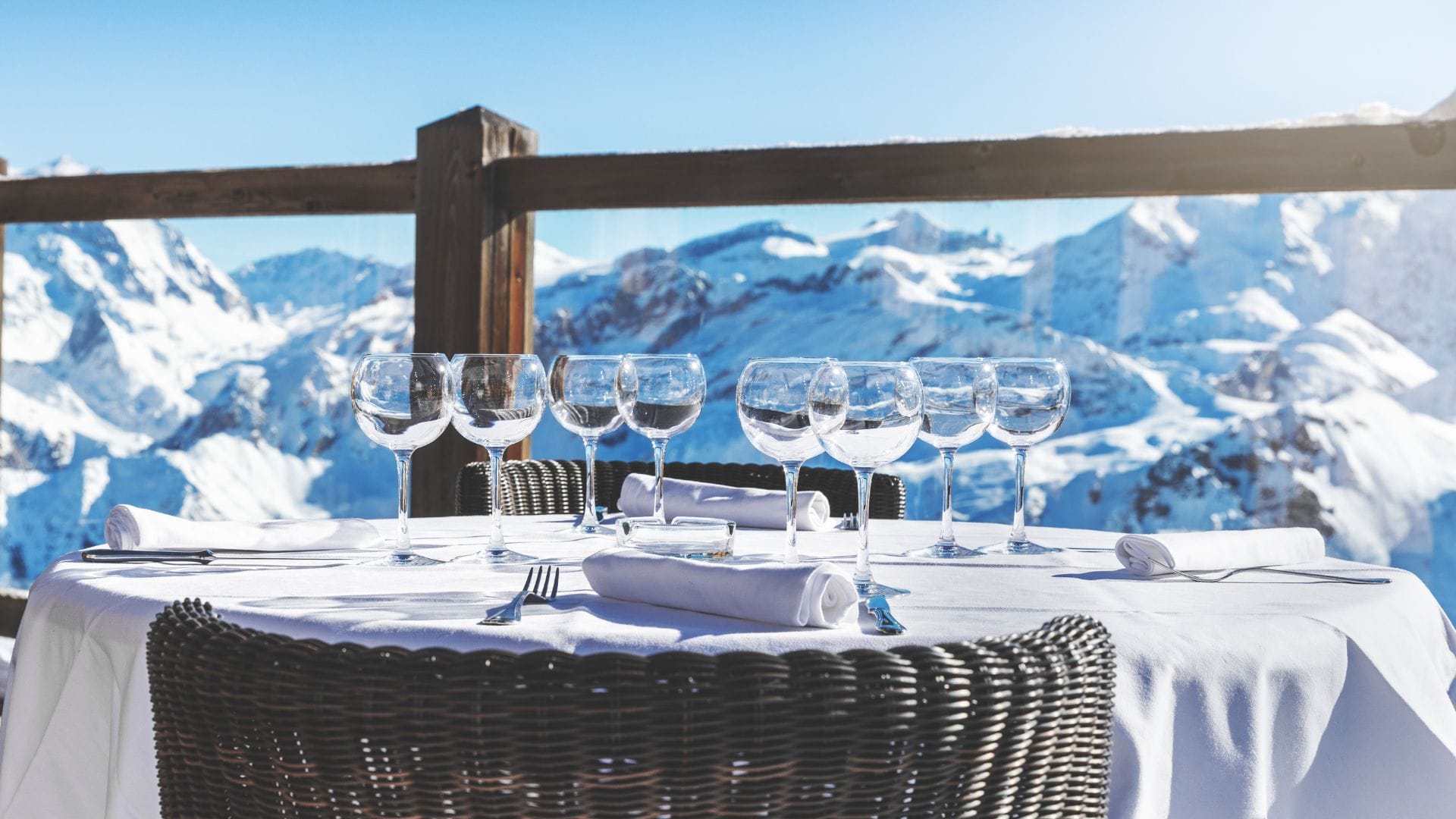
The French Alpine property market heading into 2026 is in a distinctly different place from where it was three years ago. The post-pandemic lifestyle shift that drove the initial 2020-2022 uplift has now matured into a structural rebalancing of the market — year-round operation is the norm rather than the exception, hybrid-work buyers have become a dominant demand segment, and price firming has continued but has become more selective and discriminating. The overall picture is one of a healthy, well-supported market with genuine fundamentals but also one where buyer selection quality matters significantly more than it did during the broad-based 2020-2023 uplift. Domosno has been operating across the French Alps for over 20 years and the 2026 market is one of the more interesting and nuanced we have seen.
This market overview sets out the detailed picture across the main regional segments — Haute-Savoie (the Portes du Soleil, Chamonix valley, Megève and the Grand Massif), Isère (Alpe d’Huez and Les Deux Alpes), Savoie (Val Thorens and the Trois Vallées, Les Arcs and La Plagne) and the broader French Alpine market. It covers current pricing benchmarks, rental yield profiles, supply-demand dynamics, the regulatory and tax context that affects buyer decisions, and the segments where we see genuine opportunity versus segments where pricing has outrun fundamentals. It is the market briefing the Domosno team provides to serious buyers at the start of their property search journey.
For buyers approaching the French Alpine market in 2026, the overarching message is: the fundamentals remain strong, pricing is firmer than in the 2020-2022 window, but good buyers can still find excellent opportunities if they focus on specific segments and specific locations. The broad-brush ‘any French Alpine property will appreciate’ period that characterised the post-pandemic bounce has transitioned into a more selective market where location, specification, rental potential and entry price all matter individually. This guide helps buyers understand which segments deserve particular attention in early 2026.
Haute-Savoie
Where the Core Market Momentum Sits
Haute-Savoie remains the single most active French Alpine property segment and the one that has seen the strongest price firming through 2024-2025. The region benefits from proximity to Geneva (the main international access point), from a long-established reputation as the premier French Alpine destination and from the specific investment in year-round infrastructure that has defined the post-pandemic lifestyle shift. Morzine, Les Gets, Samoëns, Chamonix, Megève, Saint-Gervais and the Grand Massif villages between them account for roughly 70% of the Domosno transaction volume by value, and the market continues to attract strong buyer interest from British, European, Swiss and international buyers.
Pricing across Haute-Savoie is at an all-time high on most key benchmarks. Central Morzine is running around €10,850/m² for well-located apartments in early 2026, central Les Gets around €11,400/m², central Chamonix around €10,200/m² and central Megève around €16,400/m² — all meaningfully above their 2020 levels and continuing to firm at a 3-6% annual pace on like-for-like comparisons. New-build pipeline supply remains constrained by planning policy in most communes, supporting continued price support at the premium end of the market.
The strongest segments within Haute-Savoie in early 2026 are: premium central new-build in Morzine, Les Gets and Megève (driven by hybrid-work lifestyle demand and constrained supply), gateway hamlets with good transport access (Samoëns, Saint-Gervais, Les Houches benefiting from improved infrastructure), and traditional chalets in the 150-280m² range with good central positioning and modern updates. These segments are seeing the strongest competitive bidding and the shortest time-to-offer cycles in the current market.
Segments where prices have plateaued or softened include: peripheral apartments outside the walk-to-lift zones (increasingly unattractive to hybrid-work buyers), older 1960s-1980s apartment stock without modern updates (energy efficiency concerns and operational cost issues), and oversized luxury chalets in peripheral locations (where the premium over comparable central stock has compressed). Buyers focused on these segments can sometimes find genuine value relative to the broader market, but should do so with clear awareness of why the pricing is softer.
3-6%
Annual like-for-like price firming pace in core Haute-Savoie resorts through 2024-2025
5.5-7.0%
Typical gross rental yield on best-yielding segment (well-specified central apartments in core lifestyle resorts)
20 years
Domosno experience operating across the French Alpine property market, working with all major resorts
3,330m
Maximum skiing altitude at Pic Blanc in the Alpe d’Huez Grand Domaine — one of the highest in the French Alps
Isère
Alpe d’Huez, Les Deux Alpes and the Value Play
Isère is the second major French Alpine property region after Haute-Savoie and is centred on the Alpe d’Huez and Les Deux Alpes ski areas plus several smaller resorts. The region typically trades at 15-25% discount to Haute-Savoie for comparable property specification, reflecting the greater distance from Geneva (Lyon is the main international access point at 2-2.5 hours drive) and the historically smaller international buyer presence. For value-sensitive buyers, Isère has delivered strong risk-adjusted returns over the last several years.
Central Alpe d’Huez pricing in early 2026 is running approximately €11,500-€15,800/m² for well-specified resale stock and €13,800-€19,500/m² for premium new-build. The gateway villages — Allemond, Oz-en-Oisans, Vaujany — offer 25-50% discounts on comparable stock and have seen strong buyer interest from value-focused buyers over the last three years. The Eau d’Olle cable car from Allemond is a specific infrastructure investment that has materially improved the value proposition of the valley-floor gateway village.
Les Deux Alpes is in the middle of a significant infrastructure moment with the new Jandri 3S lift project expected to materially improve access to the upper mountain and to reshape the ski experience and rental profile of the resort. Pricing in Les Deux Alpes has been firming meaningfully through 2024-2025 in anticipation of the lift opening, and the full market response is expected to play out through 2026-2027. Buyers considering Les Deux Alpes are essentially buying into an infrastructure upgrade story.
Smaller Isère resorts — including Chamrousse (serving the Grenoble urban area), Les Sept Laux and several smaller communes — offer meaningful value for buyers who want access to French skiing without the premium resort pricing. These resorts are generally less internationally branded and the rental market is more domestic-focused, which affects both the pricing dynamics and the operational logistics. For the right buyer profile these smaller resorts can deliver excellent lifestyle value, but they are not typically suitable for buyers prioritising international rental marketing.
French Alpine Price per m² Benchmarks — Central Resort Apartments, Early 2026
Courchevel 1850 / Val d’Isère
Megève centre
Central Alpe d’Huez (premium)
Val Thorens centre
Les Gets / Morzine centre
Samoëns / gateway villages
Savoie
Trois Vallées, Paradiski and the Tarentaise
Savoie covers the Tarentaise valley including the Trois Vallées (Courchevel, Méribel, Val Thorens, Les Menuires, Saint Martin de Belleville), the Paradiski area (Les Arcs and La Plagne) and the Espace Killy (Val d’Isère and Tignes). This is the premium high-altitude French Alpine region and includes some of the most famous and most expensive ski addresses in the world. Courchevel 1850 and Val d’Isère in particular represent the absolute top of the French Alpine luxury property market, with trophy chalet prices routinely clearing €25,000-€35,000/m² for premium addresses.
Val Thorens at 2,300m is the highest resort in Europe and has benefited materially from the snow-reliability narrative in the climate-change-aware property market. Pricing in Val Thorens has firmed approximately 14% year-on-year through 2025 driven by this altitude advantage, and the resort’s strong rental profile continues to attract investor buyers. Les Menuires and Saint Martin de Belleville offer more accessible pricing within the same Trois Vallées lift pass area and have been popular value alternatives to the higher-priced resorts.
The Paradiski area (Les Arcs 1800, 1950 and 2000 plus La Plagne’s multiple village sectors) offers 425km of linked pistes and typically trades at 15-25% below the Trois Vallées benchmark for comparable stock. Les Arcs 1950 specifically has developed a reputation as a well-integrated car-free village with strong pedestrian flow and good rental yield economics, and has been a consistent performer for investor-led buyers over the last several years. La Plagne’s larger apartment complexes and the 1800-2100m resort sector offer value for buyers who want the Paradiski lift pass without the premium Val Thorens or Courchevel pricing.
Val d’Isère and Tignes (Espace Killy) at 1,850m and 2,100m respectively represent another premium tier of the Tarentaise market. Val d’Isère in particular is a genuinely international luxury destination with exceptional skiing (including the Grande Motte glacier offering year-round skiing potential), polished village atmosphere and strong rental demand. Pricing in central Val d’Isère is running €18,000-€28,000+/m² for premium stock with trophy chalets at much higher levels. Tignes has more affordable options in the Le Lac and Val Claret sectors while sharing the same ski pass and lift network.
“The 2020-2022 ‘any French Alpine property will appreciate’ period is over. The 2026 market is more discriminating — but the fundamentals remain strong, and good buyers can still find excellent opportunities in the right segments.”
Rental Yield
Where the Numbers Actually Work
Rental yield profiles across the French Alpine market have improved meaningfully over the last five years as year-round demand has grown and as professional rental management has become more sophisticated. Typical gross yields in 2026 range from 3.5-5.5% for premium central stock in the most expensive resorts (Courchevel, Val d’Isère, Megève, central Alpe d’Huez) up to 6-8% for value-positioned stock in the strongest year-round lifestyle markets (Morzine, Les Gets, Samoëns and the gateway villages). The yield gap between premium and value is a meaningful input to buyer decision-making.
The highest-yielding segment in the current market is well-specified two-bedroom apartments in central Morzine, Les Gets and the gateway villages of the Alpe d’Huez corridor, delivering 5.5-7.0% gross yields on professionally managed operation. These properties appeal to the full range of rental guest profiles (family ski holidays, hybrid-work long stays, summer hiking and biking visitors, shoulder-season shorter stays) and maintain high occupancy across the full year. The combination of reasonable capital cost and strong rental demand drives the yield performance.
Yield drivers that matter most in early 2026 are: walk-to-lift central village positioning, modern specification and energy efficiency (particularly important for winter heating cost management), fibre broadband (essential for hybrid-work rental profile), strong view orientation and afternoon sun for outdoor living spaces, and reliable rental management quality. Properties that meet all these criteria typically outperform the gross yield averages by 100-200 basis points; properties that lack one or more criteria typically underperform.
Professional rental management is essential for realised yield performance in the current market. The gap between top-performing and middle-performing rental operators is larger than most buyers expect, and the operator relationship is often as important as the property specification itself for realised rental returns. Domosno works closely with trusted operator partners across all major French Alpine resorts and can recommend appropriate management options for specific buyer and property combinations during the pre-purchase and early ownership phases.
| Region | Core Resorts | Typical €/m² (2026) | Strengths |
|---|---|---|---|
| Haute-Savoie north | Morzine, Les Gets, Samoëns | €8,400-11,400 | Geneva proximity, year-round lifestyle |
| Haute-Savoie premium | Megève, Chamonix, Saint-Gervais | €7,600-16,400 | Brand, altitude, infrastructure |
| Isère Alpe d’Huez | Alpe d’Huez, Allemond, Oz, Vaujany | €5,400-19,500 | 250km ski area, Pic Blanc altitude, value |
| Savoie Trois Vallées | Val Thorens, Les Menuires, Courchevel | €8,500-35,000+ | Largest linked area, snow reliability |
| Savoie Paradiski | Les Arcs 1800/1950, La Plagne | €8,200-14,800 | 425km linked pistes, value alternative |
| Savoie Espace Killy | Val d’Isère, Tignes | €12,000-28,000+ | Premium skiing, glacier, brand |
The Tax Structure
Why Para-Hôtelier Still Makes Sense
The French para-hôtelier tax structure, combined with ownership through a SARL de Famille family holding company, remains one of the most attractive long-term investment structures available to British and European buyers in the French Alpine property market. The core benefits are: 20% VAT recovery on eligible new-build VEFA purchases (materially reducing the effective capital base), depreciation deduction against rental income (typically eliminating most income tax on rental profit for the first 15-20 years of ownership), and access to the French progressive capital gains relief schedule (full income tax exemption after 22 years, full social contributions exemption after 30 years).
Combined, these tax advantages typically add 100-200 basis points to the effective IRR on a well-structured French Alpine property investment versus direct private ownership without the structure. The trade-off is a 20-year commitment to managed-rental operation and the administrative overhead of maintaining the SARL de Famille and the associated French tax filings. For buyers comfortable with these commitments, the structure delivers tax efficiency that no British or European alternative can match.
The structure is particularly valuable for buyers making new-build VEFA purchases because the 20% VAT recovery is only available on VAT-inclusive purchases and most new-build developments sold under VEFA qualify. Resale property purchases can sometimes qualify for para-hôtelier treatment (for eligible resales still within the first delivery window) but the pool is narrower and the structural benefits are typically less substantial. For buyers prioritising tax efficiency, the new-build VEFA route is usually the right choice.
Implementation of the structure requires a French expert-comptable (chartered accountant) and typically a French notaire or avocat fiscaliste (tax lawyer) during the setup phase, with ongoing annual compliance by the expert-comptable. Setup costs are typically €2,000-€5,000 and annual running costs are typically €1,500-€3,000. These are fully deductible against the rental income generated by the structure, reducing the effective after-tax cost to roughly half the gross figure. For a €1m+ property, the overhead is a small fraction of the tax savings the structure delivers.
2019
Pre-pandemic baseline
Traditional ski-season-focused market, summer occupancy around 42% in Haute-Savoie, hybrid-work still a niche buyer concept.
2020-2022
Pandemic-driven uplift
Broad-based price firming across the French Alps as Covid-era buyers seek mountain lifestyle; 15-30% uplift in core resorts over the period.
2023
Year-round maturation
Summer occupancy rises significantly, hybrid-work buyer profile becomes dominant, rental yield profiles improve on strong year-round demand.
2024
Selective firming
Price firming continues but becomes more selective — premium central stock outperforms, peripheral stock plateaus, buyer selection quality matters.
2025
Value gap narrowing
Gateway village and value segments see stronger buyer interest as premium central pricing reaches stretch levels; infrastructure investment drives specific rerating stories.
2026
Mature market equilibrium
Well-supported fundamentals, 3-6% annual firming on core stock, strong rental yields on best-specified properties, continued opportunity for discerning buyers.
Risk Factors
What Could Change the Market in 2026-2027
The positive outlook for French Alpine property in 2026 should be balanced against the risk factors that could affect the market over the next 12-24 months. The most significant risk is a broader European interest rate environment that could affect mortgage affordability for non-resident buyers. Current non-resident mortgage rates of 3.6-4.1% through early 2026 are manageable for most buyers, but a meaningful rise in rates would reduce affordability and could soften transaction volumes at the margin. Buyers with variable-rate mortgages should plan for rate scenarios and ensure their overall financial position is robust.
Climate-change-related concerns about snow reliability remain a real medium-term consideration for buyers choosing between lower-altitude and higher-altitude resorts. Lower-altitude stations (below 1,200m) have seen more marginal seasons and more reliance on snowmaking infrastructure in recent years, and this trend is likely to continue. Higher-altitude resorts (above 1,800m) benefit from relative snow reliability and this is reflected in the pricing firmness of stations like Val Thorens and Tignes. Buyers should factor altitude into their resort selection decisions.
Regulatory changes affecting short-term holiday rental (meublé de tourisme classification, municipal permits for tourist accommodation, rental tax frameworks) are another consideration. Several French municipalities have introduced tighter rules on short-term rental operation in recent years, and further regulatory changes are possible. These changes typically affect the operational flexibility and tax treatment of rental operations, and buyers planning heavy rental use should check the current regulatory position in their target commune as part of the pre-purchase due diligence.
Broader European geopolitical and economic uncertainty is a background factor that affects all major European property markets to some extent. French Alpine property has historically shown good resilience to economic cycles due to its multi-country buyer base and strong underlying fundamentals, but no market is fully immune to broader economic stress. Buyers should consider the French Alpine property purchase in the context of their overall financial position and not over-commit in ways that depend on continued favourable economic conditions.
Practical Next Steps
How to Approach the 2026 Market
For buyers approaching the French Alpine market in 2026, the recommended starting point is an initial consultation with a specialist French Alpine property advisor covering overall brief, budget, target resorts, personal-use patterns and rental intent. The 2026 market has enough variety across regions, resorts, property types and price points that a properly defined brief typically identifies the two or three segments that deserve detailed attention. Starting with a focused brief produces much better outcomes than starting with a scattergun search.
The second step is a market-education phase covering the specific segments of interest. This typically involves reviewing detailed property listings, market reports and benchmarks for the target segments, understanding the rental yield and operational economics, familiarising with the French purchase process, and getting clarity on the tax structure options. For most buyers this phase takes 4-8 weeks of part-time engagement and produces the clarity needed for effective property shortlisting.
The third step is property shortlisting and site visits. A good shortlist is 5-10 candidate properties across 2-3 resorts that match the brief closely enough to merit direct viewing. Site visits should cover the actual properties, the surrounding resort context, the lift and amenity access, the rental management operators, and ideally a meeting with the Domosno team at the local office to discuss specific options in detail. This phase typically takes 1-2 long weekends of site visits to complete effectively.
The fourth step is the offer and purchase process — offer negotiation, compromis de vente with 10% deposit into notaire escrow, mortgage approval (typically 45-60 days for non-resident buyers), acte de vente at the notaire’s office, and key handover. The Domosno team accompanies buyers through every step and coordinates with trusted French notaires, mortgage brokers, tax advisors and operational partners. The full journey from first conversation to completion typically runs 12-20 weeks for resale purchases and 12-24 months for off-plan VEFA. Contact Domosno for an initial consultation to start the 2026 conversation.
Common Questions
Frequently Asked Questions
Is the French Alpine property market still rising in 2026?
Yes, selectively. Core central stock in the major resorts continues to firm at a 3-6% annual pace on like-for-like comparisons, supported by constrained new-build supply and strong demand from hybrid-work and year-round lifestyle buyers. Peripheral or older stock has plateaued or softened. The market has become discriminating — good properties continue to appreciate, weaker properties do not.
What is the best region for a value-focused buyer in 2026?
The Isère gateway village corridor (Allemond, Oz-en-Oisans, Vaujany) for ski-area access at 25-50% discount to central Alpe d’Huez, and the Haute-Savoie value resorts like Samoëns and Saint-Gervais for genuine year-round lifestyle at 20-30% discount to central Morzine or Les Gets. Both segments deliver strong rental yields and meaningful capital appreciation potential for well-chosen properties.
What is the best region for maximum rental yield?
Central Morzine, Les Gets and the gateway villages of the Alpe d’Huez corridor consistently deliver the strongest gross rental yields — typically 5.5-7.0% on well-specified two-bedroom apartments with professional management. These properties benefit from strong year-round demand, good hybrid-work rental profile and reasonable capital entry points. Yield optimisation requires specification quality and operator quality alongside location.
How important is altitude for French Alpine property decisions in 2026?
Increasingly important as climate considerations affect snow reliability at lower elevations. Resorts above 1,800m (Val Thorens at 2,300m, Tignes at 2,100m, Val d’Isère at 1,850m, Les Arcs 1950) benefit from relative snow reliability and this is reflected in firmer pricing. Resorts below 1,200m face greater snowmaking dependency and marginal-season risk. Buyers should factor altitude into long-term value decisions alongside other factors.
What is the typical French Alpine purchase process timeline?
Resale purchases: 12-20 weeks from offer acceptance to completion, including compromis de vente, 10-day cooling-off, mortgage approval (45-60 days), and acte de vente at the notaire’s office. Off-plan VEFA new-build: 12-24 months from reservation to key handover, with the timeline depending on construction stage at reservation. Domosno accompanies buyers through all steps of both processes.
Can British buyers still buy French Alpine property post-Brexit?
Yes, fully and without any restriction on purchase. Brexit affects residency and stay-length rules (the 90-day Schengen rule for short visits) but it does not restrict property ownership. Non-resident mortgages remain widely available to British buyers through French banks and specialist brokers. Post-completion ownership logistics are routine. Domosno has completed many British buyer transactions through 2022-2025 without special complications.
Is 2026 a good time to buy French Alpine property or should I wait?
For the right buyer with the right brief, 2026 is a good time to buy — the market fundamentals are strong, supply remains constrained, rental yields are meaningful, and the tax structures remain favourable. For buyers stretching their affordability or lacking a clear usage and rental plan, it is better to wait until the brief is clearer. The answer depends on buyer circumstances rather than on trying to time the broader market.
How do I start a French Alpine property search with Domosno?
Contact us for an initial consultation covering budget, target resorts, personal-use patterns and rental intent. We will walk you through the 2026 market dynamics for your specific segments of interest, identify candidate properties from listings and off-market opportunities, arrange site visits when you are ready, and coordinate the full purchase process from offer through completion and into ongoing rental management. Our team has been operating across the French Alps for over 20 years.
Featured Properties
Popular Ski Resorts
Morzine
Megève
Chamonix
Les Gets
Alpe d’Huez
Les Deux Alpes
Les Arcs
La Plagne
Courchevel
Méribel
Saint-Martin-de-Belleville
Val Thorens
Val d’Isère
Tignes
Thollon-les-Mémises
Quick Links
All New-Build Ski Properties
All Ski Apartments
All Ski Chalets
New-Build Ski Apartments
New-Build Ski Chalets
Resale Ski Apartments
Resale Ski Chalets