Year-Round Alps
The Ultimate Guide to the Top 10 Hiking Trails in the French Alps for 2026
A detailed walking tour of the ten finest hiking routes in the French Alps — from iconic multi-day traverses to accessible day hikes — with the resort-by-resort context that matters for year-round lifestyle property buyers.
6 Jul 2023
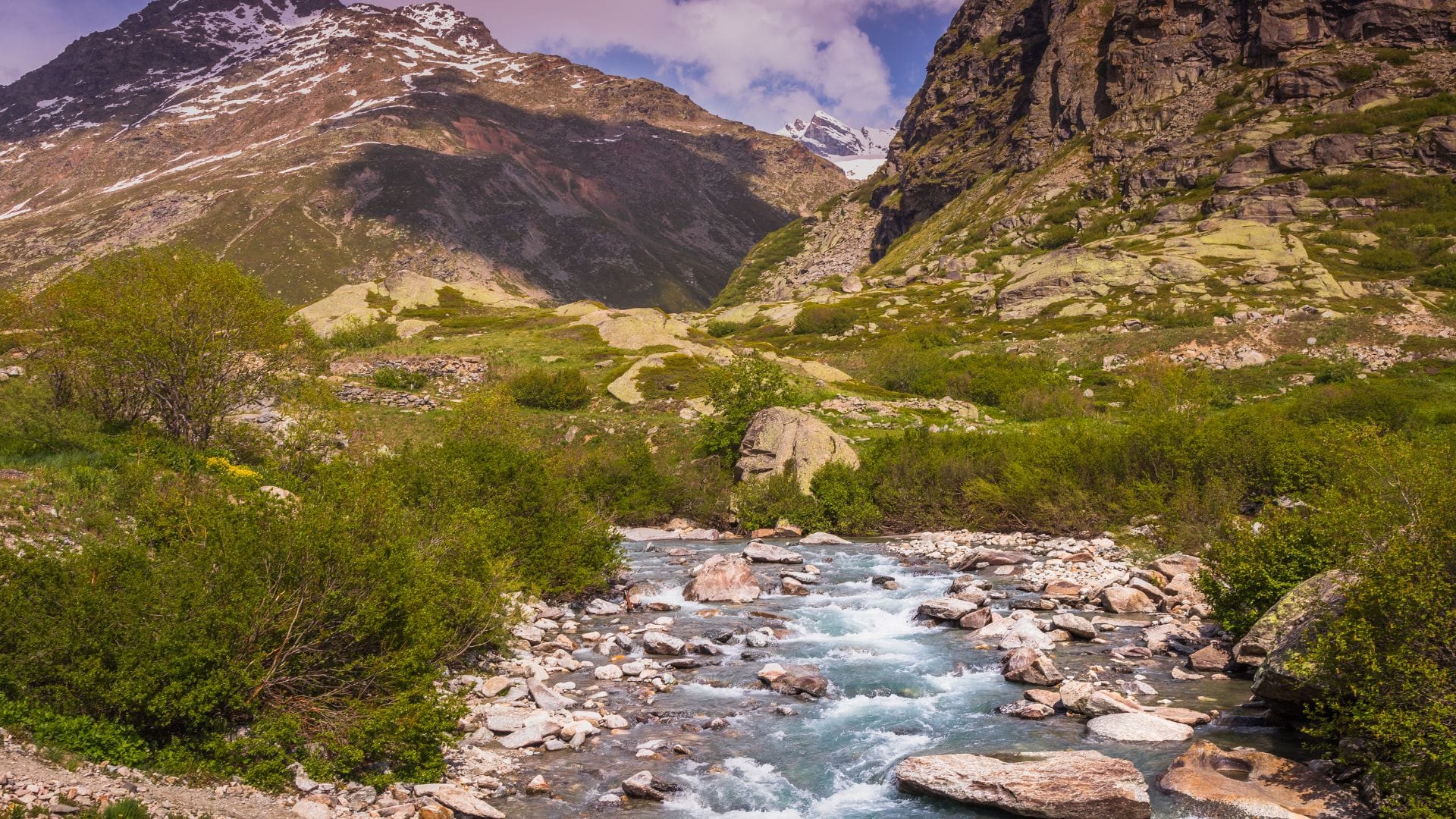
The French Alps have always been one of Europe’s great hiking destinations, but the summer hiking economy has genuinely transformed over the last five years. Resort investment in marked trails, lift-assisted access and high-mountain refuge accommodation has been significant across both Haute-Savoie and the Tarentaise, and the result is that a summer hiking week in a well-chosen French Alpine resort now delivers a lifestyle experience that rivals anything in the Dolomites, the Pyrenees or the Swiss Valais. For French Alps property buyers who are thinking about year-round utility rather than pure winter ski weeks, understanding the summer hiking economy is no longer optional — it is the single most important operational consideration alongside winter snow reliability.
This guide walks through the ten best hiking trails in the French Alps, ranging from accessible resort-based day hikes suitable for families with young children to multi-day traverses that rank among the most demanding long-distance trails in Europe. It also provides the resort-level context that matters for property buyers — which resorts give you best access to which trails, where the summer refuge infrastructure is strongest, which trails are realistic for hybrid-working owners spending shoulder-season weeks in the mountains, and which ones require genuine commitment and planning.
The underlying point is that the French Alps summer hiking experience has matured into a full-season operating model. Lifts run from early June into late September in most major resorts, mountain huts take online bookings, refuges accept credit cards, marked trails are genuinely well-maintained, and the local tourist offices have become good at helping visitors plan multi-day hut-to-hut itineraries. If you own a property in the right resort, a June-to-September hiking season of meaningful utility is now genuinely achievable — and it makes a significant difference to the rental yield and the lifestyle case for owning in the French Alps.
The Headliner
Tour du Mont Blanc — The Iconic Traverse
The Tour du Mont Blanc remains the single most iconic long-distance hiking trail in the French Alps and one of the great long-distance walks of Europe. Running roughly 170km around the Mont Blanc massif and crossing France, Italy and Switzerland, the classic circuit takes 10-12 days at a comfortable pace with overnight stops in a mixture of mountain refuges, gîtes and valley hotels. The French section passes through the Chamonix valley, Les Contamines, the Col de la Seigne on the Italian border and the Col de Balme on the Swiss border, and it offers some of the most spectacular glacier and summit views anywhere in the Alps.
For property buyers, the key insight about the TMB is that access to the French starting and ending points — Chamonix and Les Houches — is particularly valuable. Owners of properties in Chamonix, Les Houches or Argentière have direct on-foot access to the TMB and to a dense network of supporting day-hike trails in the same valley, and the Chamonix area has by far the strongest summer hiking infrastructure of any single resort in the French Alps. The summer lift-pass value in Chamonix is among the best in the country, with the Aiguille du Midi, the Brévent-Flégère and the Tramway du Mont Blanc all genuinely useful for non-TMB hiking too.
TMB demand has grown significantly over the last five years and the refuges are now heavily booked through July and August — booking needs to happen in February or March for peak summer departures. This has pushed hiker demand into June and September, which coincidentally aligns well with the shoulder-season ownership usage pattern that hybrid-working property owners tend to prefer. The hiking is still excellent in those months, with fewer crowds and good weather statistics, and the refuges are easier to book.
For day-hikers using a resort base rather than doing the full circuit, several of the best TMB sections can be walked as day hikes with lift-assisted return — the Col du Bonhomme section, the Lac Blanc balcony walk, and the Les Contamines section around Notre-Dame de la Gorge are all excellent day-hike options with lift support. Property owners in the Chamonix valley have the strongest access to these day-hike segments.
170 km
Total distance of the Tour du Mont Blanc multi-country long-distance trail around the Mont Blanc massif
650 km
Length of the GR5 alpine section from Lac Léman to Nice through the French Alps
~120 days
Minimum summer lift-supported operating season for a French Alpine resort to qualify as a year-round lifestyle destination
3,000 m+
Number of summits above 3,000 metres in the Écrins massif — over 150 of them
Long Distance
The GR5 — The Complete North-South Traverse
The GR5 is France’s great long-distance trail, running from the Netherlands through Belgium, Luxembourg, north-eastern France and then down the full length of the French Alps to the Mediterranean at Nice. The alpine section alone, from Lac Léman at Thonon-les-Bains through the Chablais, Portes du Soleil, Vanoise, Beaufortain, Écrins and Mercantour to Nice, runs roughly 650km and takes most hikers four to six weeks to complete. It is one of the finest long-distance mountain trails in Europe.
The GR5 passes directly through or close to many of the most important French Alpine resorts — including Samoëns, Les Gets, Morzine, La Clusaz, Les Contamines, Val d’Isère, Tignes, Modane, Briançon, Barcelonnette and Saint-Étienne-de-Tinée — and property buyers in any of these resorts can step out of their front door and walk a section of the GR5 as a day hike or a multi-day itinerary. For buyers who love walking, this level of direct access is an under-appreciated benefit of French Alpine ownership and should factor into resort selection.
The single best multi-day section of the GR5 for property owners is typically the Lac Léman to Chamonix segment, which takes 5-7 days and passes through some of the finest country in the Portes du Soleil and the Aravis. This segment is particularly valuable for owners in Morzine, Les Gets, Samoëns or Chamonix who want to do a proper multi-day hut-to-hut traverse from their own property without needing to organise long-distance travel or logistics.
The Vanoise section — running from Val d’Isère through the Parc National de la Vanoise to Modane — is another standout segment that passes through some of the highest and most dramatic landscape in the French Alps. Property owners in Val d’Isère, Tignes, Les Arcs or La Plagne have good access to this section, and the Vanoise refuges are among the best-run in the French mountain-hut network.
Summer Lift Operating Season Length — Major French Alpine Resorts, 2025
Chamonix
Morzine / Les Gets
Samoëns
Val d’Isère
Méribel
Alpe d’Huez
Glacier Country
The Écrins Traverse and High-Mountain Routes
The Écrins massif in the Dauphiné is one of the most dramatic high-mountain landscapes in France, with over 150 summits above 3,000m, substantial glacier cover and some of the best serious mountain hiking and mountaineering in the country. The classic traverse of the Écrins runs from Bourg d’Oisans through La Bérarde, Ailefroide and Vallouise to Briançon, and it passes through country that feels genuinely wild in a way that the more developed parts of Haute-Savoie sometimes do not.
For property owners in Alpe d’Huez, Les Deux Alpes, Venosc or Oz-en-Oisans, the Écrins is effectively the back garden and the hiking potential is exceptional. Day hikes from La Bérarde to the Refuge du Châtelleret or to the Refuge Temple-Écrins offer high-mountain scenery with manageable logistics, and the lift systems at Les Deux Alpes and Alpe d’Huez can be used to access higher-level starting points for more ambitious itineraries.
The Haute Route — running from Chamonix to Zermatt in Switzerland — is technically not a French Alps-only trail but the French section from Chamonix through Argentière to the Col du Tour is one of the great high-mountain traverses in the region. The classic hiker’s Haute Route (rather than the winter ski version) takes 10-12 days and crosses high country including the Col des Grands Montets and the Col du Tour. Glacier travel is not strictly required on the hiker’s version, but competence in high-mountain terrain is essential.
Less well-known but genuinely excellent is the Tour de la Meije in the Écrins — a 5-6 day circuit around one of the most iconic summits in the French Alps, with overnight stops at the Refuge du Châtelleret, the Refuge de l’Alpe, the Refuge de la Selle and the Refuge du Promontoire. This is a hiking traverse rather than a mountaineering route, but the scenery is on a par with much more famous trails and the crowding is significantly lower.
“A French Alpine resort that delivers fewer than 120 days of meaningful summer lift operation is, in 2026, a winter-only property — and the economics of winter-only ownership are materially weaker than the year-round alternative.”
Resort Day Hikes
The Best Accessible Day Walks by Resort
Not every alpine hiking experience needs to be a multi-day commitment, and some of the best days in the mountains are spent on classic lift-assisted day hikes from a resort base. Chamonix has the Lac Blanc balcony walk — a roughly 12km round trip from the Flégère lift top station that delivers possibly the best single day-hike Mont Blanc view in the entire French Alps. The route is well-marked, moderately demanding and achievable in a long half-day by reasonably fit walkers.
In Haute-Savoie, the Lac de Tavaneuse day hike from Châtel or Avoriaz is a classic Portes du Soleil outing with excellent lake and ridge scenery, manageable distance (around 10km round trip) and straightforward access from several resorts in the area. The Pointe de la Terche from Les Gets and the Roc d’Enfer approach from Saint-Jean-d’Aulps are both excellent alternatives with less crowding.
In the Tarentaise, the Lac des Vaches and Refuge du Col de la Vanoise hike from Pralognan-la-Vanoise is one of the classic Vanoise National Park day hikes, with well-marked trails and good refuge infrastructure. From Val d’Isère, the Col de l’Iseran crossing and the Lac du Chevril circuit offer high-altitude hiking with strong lift support. From Les Arcs and La Plagne, several classic ridge walks connect the main resort levels and offer excellent Mont Blanc views on clear days.
In the Southern French Alps — which are drier, sunnier and less crowded than Haute-Savoie — the Lac d’Allos hike near Barcelonnette is one of the finest lake hikes in the country, with the largest natural high-altitude lake in Europe as the centrepiece. Property buyers looking at the Southern Alps (Serre Chevalier, Les Orres, Pra Loup) have access to excellent summer hiking that is meaningfully less crowded than the Haute-Savoie equivalents.
| Trail | Distance | Duration | Best Resort Base |
|---|---|---|---|
| Tour du Mont Blanc | 170 km | 10-12 days | Chamonix / Les Houches |
| GR5 (alpine section) | 650 km | 4-6 weeks | Samoëns / Val d’Isère |
| Hiker’s Haute Route | 180 km | 10-12 days | Chamonix / Argentière |
| Tour de la Meije | 55 km | 5-6 days | Les Deux Alpes / La Grave |
| Tour du Queyras | 110 km | 7-8 days | Briançon / Ceillac |
| Lac Blanc balcony day hike | 12 km | 1 day | Chamonix (Flégère) |
The Wilder Trails
Mercantour, Queyras and the Southern Wilderness
The Parc National du Mercantour in the Alpes-Maritimes is the wildest national park in the French Alps and one of the last strongholds of genuinely uncrowded hiking in mainland France. Trails like the Vallée des Merveilles (famous for its Bronze Age rock carvings), the Lac d’Allos circuit and the Mercantour-Queyras link routes offer hiking experiences closer to what the Haute-Savoie resorts were like in the 1980s — quiet refuges, limited lift support, serious navigation requirements and country that rewards commitment.
The Queyras, just north of the Mercantour and adjacent to the Italian border, is similarly under-populated and offers some of the best wilderness trekking in the French Alps. The Tour du Queyras is a classic 8-day circuit through some of the most remote and highest valleys in the country, with overnight stops in small refuges and village gîtes. Property market activity in the Queyras is much lower than in the headline resorts, and prices per m² are typically 40-60% below Haute-Savoie equivalents — a genuine option for buyers who prioritise wilderness access over ski lift density.
For hybrid-work property owners, the trade-off between wilderness access and proximity to Geneva or Lyon airports matters. The Mercantour and Queyras are accessible from Nice airport but the drive is longer and less efficient than the Haute-Savoie commute from Geneva. For buyers willing to accept this trade-off, the hiking experience in the Southern Alps is genuinely exceptional and the property economics are attractive.
The Vercors, just west of Grenoble, is another under-appreciated hiking area with excellent limestone cliff scenery, relatively easy access from Lyon and a well-developed trail network including the classic Hauts Plateaux traverse. Property market activity is low and prices are modest, but for genuinely committed walkers the Vercors offers some of the best European limestone hiking outside Spain’s Picos de Europa.
2019
Pre-pandemic
Summer hiking in the French Alps remains a niche lifestyle market; most resorts optimise purely for winter ski week operations.
2020-2021
Covid surge
Summer hiking demand explodes as European travellers seek outdoor, low-crowd holiday alternatives; refuge bookings hit record levels.
2022
Infrastructure investment
Major resorts including Morzine, Les Gets and Samoëns invest in expanded summer lift operations, trail maintenance and wayfinding.
2023
Booking maturity
Online refuge booking systems become standard; peak-season refuges now book months in advance; shoulder-season demand grows.
2024
Year-round baseline
Summer occupancy in core Haute-Savoie resorts plateaus at 50%+ higher than the 2019 baseline; summer becomes a core operating season.
2026
Lifestyle maturity
Year-round lifestyle ownership becomes the dominant buyer profile; hiking access is now a standard factor in French Alps resort selection.
Practical Planning
Refuges, Booking, Gear and Seasons
French mountain refuges have modernised significantly over the last ten years and now offer a meaningfully better experience than the old Spartan huts of the 1980s and 1990s. Most refuges accept online bookings through the Club Alpin Français reservation system or directly through their own websites, accept credit cards, offer demi-pension meals of reasonable quality and have either proper plumbed showers or at least working washbasins. The upgrade has made French refuge hiking substantially more accessible for occasional walkers and has directly supported the growth in summer hiking demand.
Peak season refuge booking pressure is real. For July and August departures on the TMB, GR5 Vanoise section, or the Écrins traverses, refuges need to be booked in February or March to secure the preferred dates. June and September bookings are much easier and the hiking is if anything better — fewer crowds, cooler temperatures and good stable weather statistics in most recent years. Shoulder-season hiking is the default recommendation for most property owners who can travel outside school holidays.
Gear requirements for standard French Alps hiking are straightforward — good waterproof hiking boots (boots rather than trail shoes for the rocky terrain), proper rain jacket and trousers, warm layer for altitude, sun protection, 1.5-2 litres of water, trekking poles for steep descents, and a 25-35 litre daypack for day hikes or a 35-45 litre pack for multi-day hut trips. Technical gear (crampons, ice axe, rope) is not required for standard waymarked trails but is needed for the high glacier traverses like the full Haute Route.
Weather awareness matters. The French Alps have genuinely volatile summer weather with afternoon thunderstorms common in July and August, and walkers should plan to start early (ideally summit by midday) and have a contingency plan for sudden weather changes. French Météo mountain forecasts are excellent and should be checked the evening before every hike. Tourist office staff in all major resorts give good, honest advice on daily conditions and are worth consulting.
Property Implications
How Hiking Access Should Shape Resort Selection
For year-round lifestyle property buyers, the quality of summer hiking access should be a meaningful factor in resort selection. Resorts with strong hiking infrastructure — well-marked trails, summer lift operations, good refuge access, active tourist offices — deliver genuinely better year-round ownership experiences than resorts that remain focused almost exclusively on ski-week operations. The Domosno team’s rule of thumb is that a resort should be able to deliver at least 120 days of meaningful lift-supported summer operation to qualify as a serious year-round lifestyle candidate.
On that metric, Chamonix is the clear leader in the French Alps — the summer lift operation is effectively continuous from early June to mid-October, the trail network is outstanding and the refuge infrastructure is the best in the country. Morzine, Les Gets and Samoëns in the Portes du Soleil are the next tier, with strong summer lift operations, good trail networks and meaningful year-round village activity. Val d’Isère and the Vanoise resorts offer strong hiking but the operational season is slightly shorter.
Buyers should be cautious about resorts that close entirely between April and December, because these resorts deliver essentially no year-round utility and the rental yield story depends entirely on the 16-20 week winter peak. This pattern is increasingly rare in the major resorts but still applies to some of the smaller purpose-built high-altitude stations and to some lower-altitude stations whose viability depends entirely on winter snow cover.
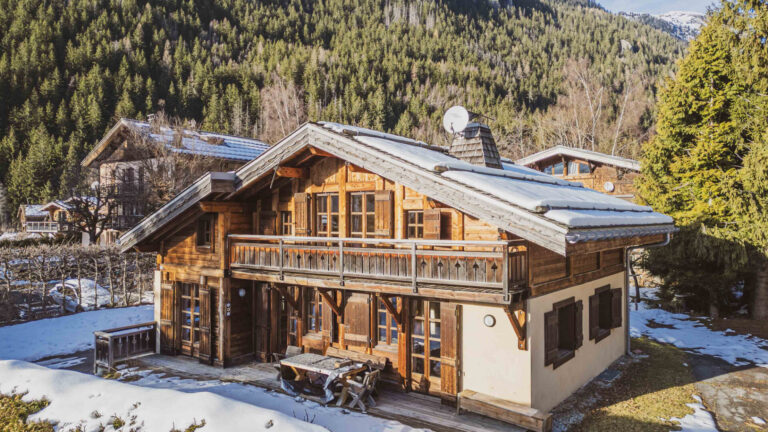
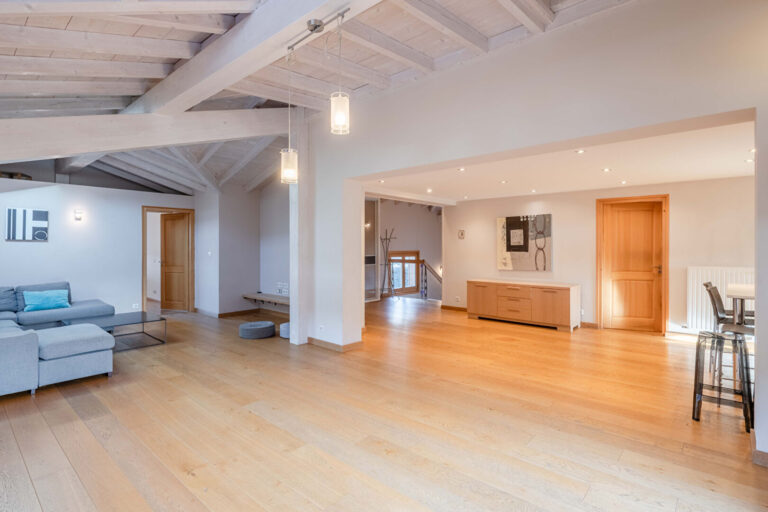
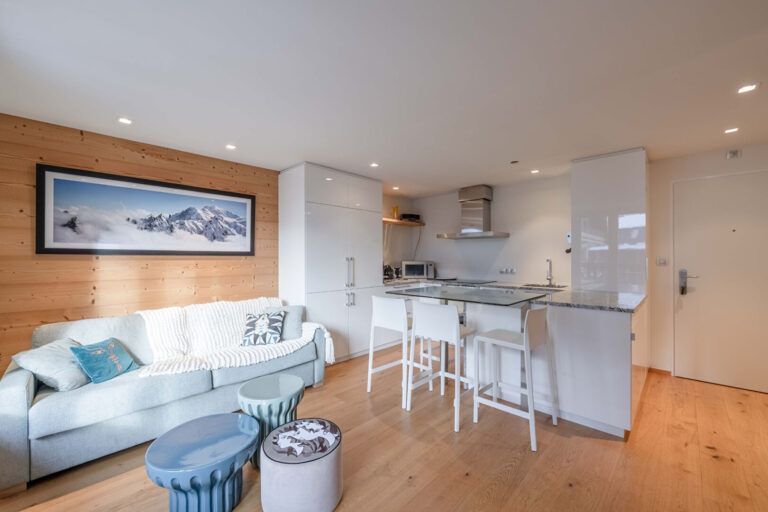
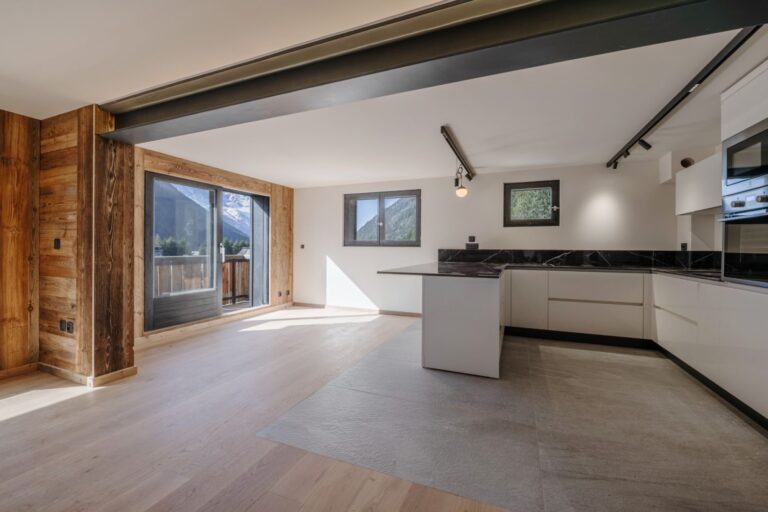
For buyers who prioritise hiking access above all else, the best single-resort choices are Chamonix, Samoëns, Morzine, Les Gets, Val d’Isère, Méribel and Alpe d’Huez in the main French Alpine resort belt, and Barcelonnette, Briançon and the Queyras in the Southern Alps. The Morzine properties for sale and Chamonix properties for sale listings on the Domosno website show the current inventory in the strongest hiking-oriented resorts.
Common Questions
Frequently Asked Questions
Do I need to be a serious mountaineer to enjoy hiking in the French Alps?
No. The French Alps have excellent marked trail networks suitable for hikers at all levels from family-friendly lift-assisted day walks through to multi-day hut-to-hut traverses. The Tour du Mont Blanc, the GR5 alpine section and most resort-based day hikes require fitness and good boots but not mountaineering skills. Glacier traverses and the full Haute Route are more technical and require experience.
When is the best time of year for French Alps hiking?
Mid-June to mid-September for most trails, with July and August the traditional peak but shoulder-season June and September often delivering better weather and significantly fewer crowds. Low-altitude trails are walkable from May through October; high alpine trails are generally only snow-free from late June through mid-September.
How far in advance do I need to book mountain refuges?
For peak July-August departures on the TMB, GR5 and Écrins traverses, book in February or March. For June and September departures, 4-6 weeks in advance is usually sufficient. Last-minute bookings are possible for smaller refuges on less popular trails but should not be relied on during peak season. The Club Alpin Français reservation system is the best single booking channel.
Which French Alpine resort has the best summer hiking access?
Chamonix is the clear leader — the summer lift operation runs approximately 145 days from early June to mid-October, the trail network is outstanding, and the supporting refuge infrastructure is the best in the country. Morzine, Les Gets and Samoëns in the Portes du Soleil are the next tier, with Val d’Isère, Méribel and Alpe d’Huez offering strong but slightly shorter summer seasons.
Is the Tour du Mont Blanc realistic for a first multi-day alpine hike?
Yes, provided you are reasonably fit, have proper gear and book refuges well in advance. The TMB is well-marked, the refuges are comfortable, the daily distances (15-20 km) are manageable and the route finding is straightforward. Most walkers take 10-12 days at a comfortable pace; fitter walkers can complete it in 7-8. It is a genuinely great first big alpine walk.
How much does a 10-day refuge-based hike typically cost?
Roughly €900-€1,400 per person for refuge demi-pension over 10 nights, depending on the specific trail and refuges used. Add roughly €200-€400 for lunches, snacks and drinks, plus transport costs at the beginning and end. Total budget for a 10-day alpine refuge hike is typically €1,200-€2,000 per person, excluding international travel to the region.
Is summer hiking a meaningful factor in French Alpine property buying decisions?
Yes, for year-round lifestyle buyers. Summer hiking access materially affects both rental yield (shoulder-season rental demand correlates directly with hiking and outdoor activity availability) and personal usage patterns for hybrid-working owners. Buyers focused purely on ski-week ownership can weight summer access less heavily, but they are the minority of the 2026 buyer profile.
What should I look for in a property if hiking access is a priority?
Proximity to trailheads without requiring a long drive, reliable summer lift access from the building or a short walk, good ski and boot storage that doubles as hiking gear storage in summer, outdoor drying space for boots and waterproofs, and a resort with strong summer lift operations (120+ days per year). Central locations in Chamonix, Morzine, Les Gets, Samoëns, Méribel and Val d’Isère score highest on these criteria.
Featured Properties
Popular Ski Resorts
Morzine
Megève
Chamonix
Les Gets
Alpe d’Huez
Les Deux Alpes
Les Arcs
La Plagne
Courchevel
Méribel
Saint-Martin-de-Belleville
Val Thorens
Val d’Isère
Tignes
Thollon-les-Mémises
Quick Links
All New-Build Ski Properties
All Ski Apartments
All Ski Chalets
New-Build Ski Apartments
New-Build Ski Chalets
Resale Ski Apartments
Resale Ski Chalets