
The Alpine Calling: A Brief History of Trekking in the French Alps
It was a crisp September morning in 1786 when Dr. Michel-Gabriel Paccard and Jacques Balmat first conquered Mont Blanc's formidable peak, marking what many consider the birth of Alpine exploration. Yet the true spirit of trekking in these magnificent mountains—what the French so elegantly term la randonnée—really began to capture the British imagination some decades later, when our Victorian forebears discovered that these peaks offered more than mere conquest.
The French Alps, with their dramatic limestone cliffs, verdant valleys, and charming mountain villages, have long held a particular fascination for British adventurers. Following the Napoleonic Wars, intrepid souls began making the arduous journey across the Channel, drawn by the challenge these mountains presented. The establishment of the first Alpine clubs in the 1850s, and the subsequent arrival of the railway system that brought us ever closer to the peaks, transformed what had been a perilous expedition into an accessible pursuit for the discerning gentleman.
By the 1890s, Chamonix had become something of a mecca for British alpinists, with grand hotels like the Palace Hotel catering to our particular tastes for afternoon tea and hot baths after a day's exertion. The Edwardian era saw the development of the first proper trekking routes, designed not for summit assaults but for the pure pleasure of walking through some of Europe's most spectacular scenery.
What distinguishes French Alpine trekking from its Swiss or Austrian counterparts is the perfect marriage of dramatic mountain scenery with authentic French culture. Unlike the more commercialised approaches found elsewhere, the French have maintained an admirable commitment to preserving both the natural beauty and the traditional way of mountain life.
Today, as we face an era where genuine adventure has become increasingly rare, the French Alps offer us something quite precious: the opportunity to experience authentic wilderness while enjoying the refined comforts that make such expeditions truly worthwhile. It is this combination that has kept generations of British families returning to these peaks, and why I believe the golden age of Alpine trekking is yet to come.
Key Statistics:
- The French Alps contain 129 peaks over 4,000 meters
- Mont Blanc stands at 4,808 meters (15,774 feet)
- Over 300 refuges operate throughout the range
- Approximately 2.5 million visitors trek in the French Alps annually
- The region spans 11 departments and covers 43,000 km²
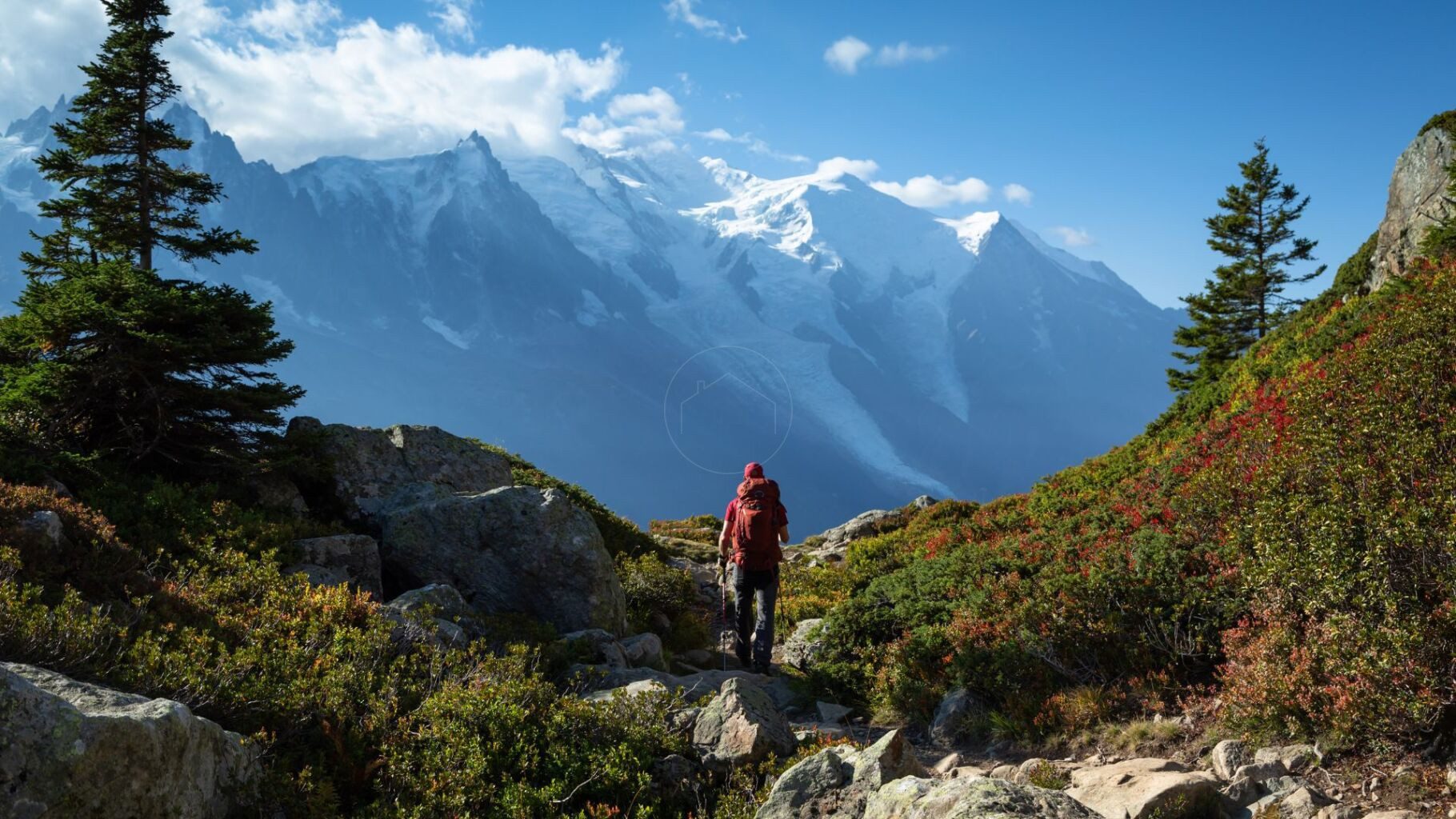
From Gentle Rambles to Alpine Challenges: The Spectrum of French Alpine Trekking
Continuing our exploration of France's magnificent mountain realm, I turn now to the delightful variety of trekking experiences available to those of us who appreciate both adventure and comfort in equal measure.
The Classic Valley Walks For those who prefer their exertions measured in pleasant hours rather than challenging days, the French Alps offer some of Europe's most scenic valley walks. The Chamonix Valley, with its glacier-carved landscape and views of Mont Blanc, provides gentle strolls that reward the walker with spectacular vistas without demanding technical skill. Similarly, the Ubaye Valley in the Southern Alps offers walks through ancient villages where time seems to have stood still since the Middle Ages.
High Mountain Trekking For the more adventurous among us, the high mountain routes provide proper Alpine challenges. The Tour du Mont Blanc, that grand circumnavigation of Western Europe's highest peak, remains the crown jewel of Alpine trekking. Taking six to ten days to complete, this route passes through France, Italy, and Switzerland, offering walkers the chance to experience three distinct Alpine cultures while maintaining a comfortable standard of accommodation each evening.
Multi-Day Hut-to-Hut Adventures The French mountain hut system, or refuges, provides an excellent middle ground for those seeking authentic Alpine experiences without sacrificing comfort entirely. Routes like the Haute Route from Chamonix to Zermatt, or the lesser-known but equally spectacular Tour des Aiguilles Rouges, allow walkers to spend their days in magnificent solitude while retiring each evening to traditional refuges where excellent local cuisine awaits.
Cultural Trekking Perhaps most appealing to Telegraph readers is the growing trend of cultural trekking, where walking routes are designed to showcase the rich heritage of mountain communities. The Provençal Alps offer trails that combine stunning scenery with visits to ancient monasteries, lavender fields, and traditional cheese-making facilities. These routes provide the perfect excuse for extended lunch breaks in the most charming of settings.
Luxury Trekking For those who appreciate their creature comforts, the emergence of luxury trekking has transformed the Alpine experience. Companies now offer fully supported expeditions with private guides, gourmet picnics delivered to scenic viewpoints, and accommodation in the finest mountain hotels. While purists may scoff, there is something to be said for enjoying a perfectly aged Bordeaux while contemplating the majesty of the Écrins National Park.
Technical Data:
- Tour du Mont Blanc: 170 km (105 miles), 10,000 meters elevation gain
- Haute Route: 180 km (112 miles), 12,000 meters elevation gain
- Tour des Aiguilles Rouges: 120 km (75 miles), 8,500 meters elevation gain
- Average daily hiking time: 6-8 hours for multi-day treks
- Typical elevation gain per day: 800-1,200 meters
The beauty of French Alpine trekking lies in its democratic nature—whether one seeks gentle afternoon strolls or challenging multi-day adventures, these mountains offer experiences that can be tailored to individual preferences and abilities.
Ready to Buy your ski Home?
Get in touch with our French Alps team to secure your ideal ski property.

Domosno — member of the
Association of International Property Professionals
since 2010


