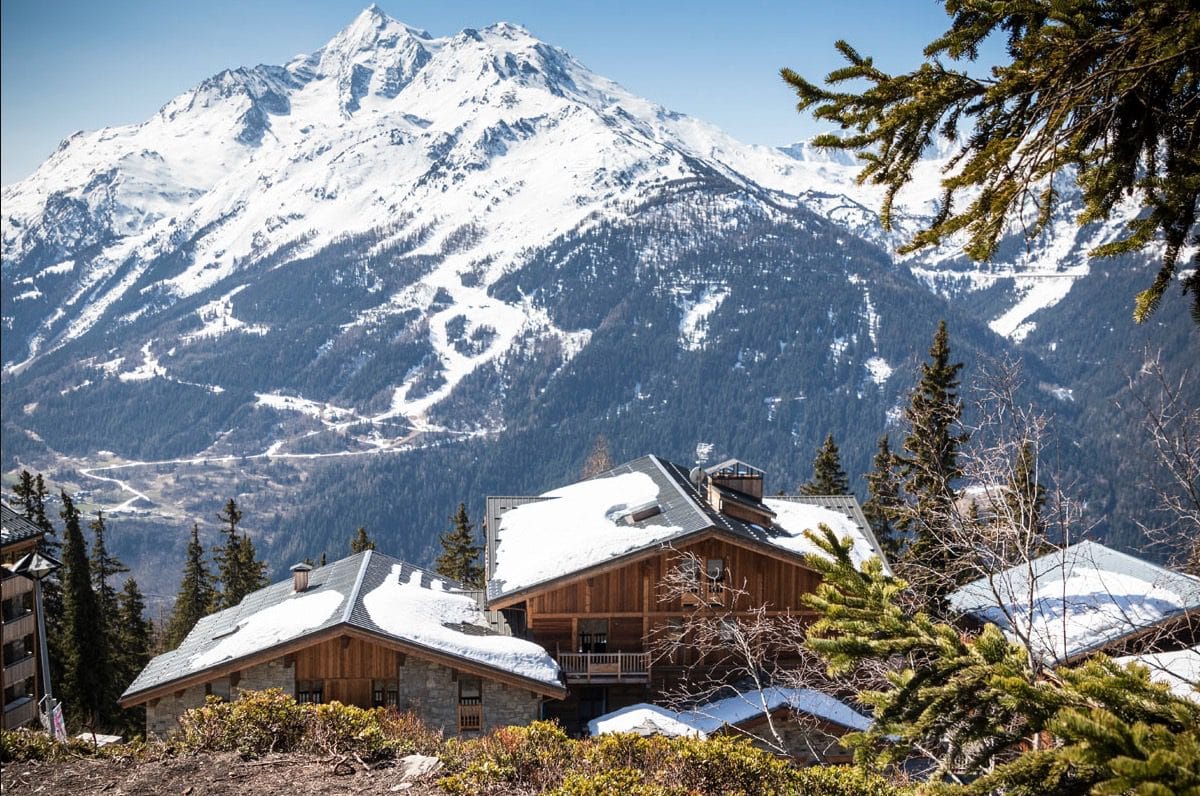
Thollon-les-Mémises remains one of France's best-kept Alpine secrets. Perched at 1,100 metres above sea level, overlooking the sparkling expanse of Lake Geneva, this charming mountain village combines genuine skiing, authentic Alpine architecture, and increasingly, sophisticated property investment opportunities. While Chamonix draws hordes of tourists and Megève attracts the chateau-hotel set, Thollon has quietly developed a devoted following among British buyers, French families, and serious skiers seeking authentic mountain living without the premium markups and seasonal crowding of established mega-resorts.
The appeal transcends season. Winter brings reliable snow, manageable pistes, and the emerging Magic Pass network that links Thollon to 99+ resorts across Switzerland and France. Spring and autumn reward hikers with spectacular views across the Jura Mountains, while summer transforms the village into a paragliding and lake-access haven. Property prices—averaging €3,820–€3,948 per square metre—remain refreshingly accessible for serious buyers, though appreciation is already underway as awareness spreads.
This guide covers everything prospective residents, holiday-home buyers, and investors need to know: the skiing, the village character, transportation logistics, accommodation options, the emerging property market, and the year-round lifestyle advantages that make Thollon compelling.
MOUNTAIN PROFILE
The Skiing & Terrain
Thollon's ski area spans 50 kilometres across 15 marked pistes, with terrain ranging from 1,000 metres (village level) to 2,000 metres at the upper reaches. The vertical drop of approximately 1,000 metres provides genuine Alpine skiing without the intimidating steepness of some higher resorts. Lifts—14–18 depending on seasonal operation—serve varied ability levels. Beginner slopes occupy the sunny village face; intermediate terrain spreads across mid-mountain ridges; advanced skiers find challenge on steeper tree-lined runs descending toward the lake views.
What distinguishes Thollon's terrain is accessibility combined with authenticity. The slopes are not purpose-built, artificially manicured mega-runs but genuine mountain terrain adapted for skiing. This produces a more varied, interesting riding experience than homogenised mega-resorts. The village lift system means you can literally ski to your apartment for lunch, make an afternoon run, and return for dinner—an impossibility on sprawling terrain like Portes du Soleil.
Capacity is manageable: approximately 12,500 skiers per hour across the lift network. Compare this to Chamonix, which can handle 25,000+ per hour, or Méribel at 30,000+. On busy weekends, you'll see queues, but nothing approaching the 30–60 minute waits common at marquee resorts. Snow reliability remains solid through early March; later-season skiing depends on altitude and luck. Higher slopes (1,600+ m) maintain coverage even in weaker snow years.
The Magic Pass revolution (active since 2025/26 season) has proven transformative. Pass-holders—of which 321,400 are now in circulation—can ski Thollon as one stop in a broader resort network. This diversifies visitation, stabilises revenue for the resort, and provides season insurance for property owners: if snow disappoints locally, pass-holders can venture to higher alternatives like Chamonix or Portes du Soleil.
50 km
Total skiable terrain across 15 marked pistes, accessible from the village via 14–18 lifts with 12,500 skiers/hour capacity.
€3,820–€3,948/m²
Average property pricing across Thollon, 30–50% below established resorts like Chamonix and Megève.
Lake Geneva
Dramatic alpine lake views from the village and upper slopes, with direct summer access via nearby Évian.
50 km
Distance from Geneva airport (approximately one hour drive), providing straightforward international access.
VILLAGE & INFRASTRUCTURE
Thollon's Character and Amenities
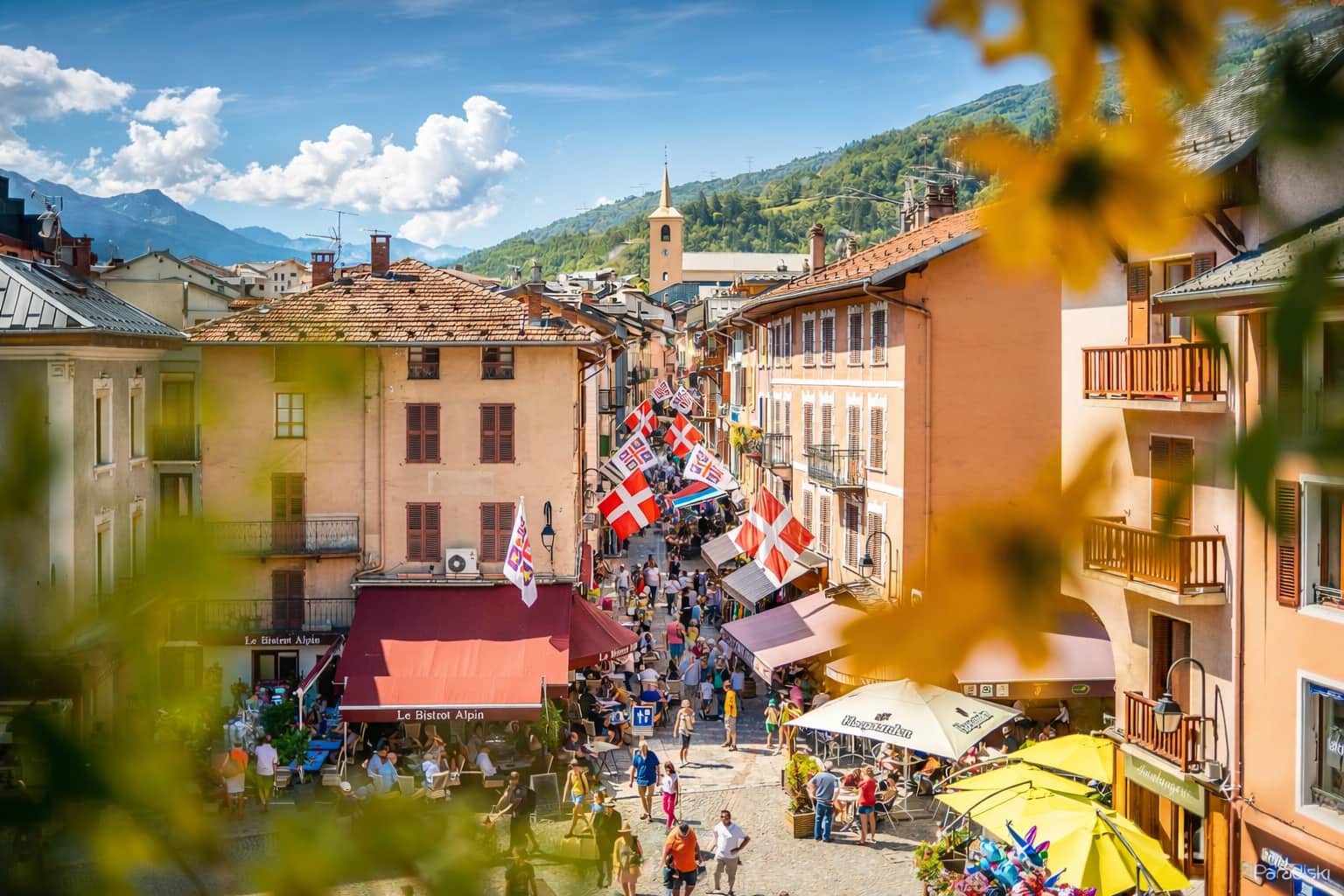
The village has not been sacrificed to tourism. Walking the main street, you encounter the whitewashed church (still actively used), local shops—including a Casino supermarket for daily needs, ski rental services, a few small hotels and guest accommodations—but no sense of contrived Alpine theming or aggressive commercialism. The architecture reflects genuine Savoyard tradition: shuttered stone buildings, pitched roofs designed for snow load, stone chimneys. This authenticity attracts residents who value genuine Alpine living over Disneyfied resort experiences.
A landmark addition opened in 2020: Les Balcons du Lac, a mountain-top restaurant offering extraordinary Lake Geneva views and sophisticated Savoyard cuisine. The restaurant draws both residents and day-trippers, instantly elevating the village's profile. Beyond this, dining leans toward casual (fondue, raclette, local fare) rather than Michelin-starred; wine lists feature Savoyard and Swiss selections alongside French regions. For Michelin dining, Évian (13 minutes away) offers more options; for haute cuisine, Chamonix remains the destination.
Essential services—banks, pharmacies, medical clinics—function adequately for a population of 2,000+ permanent residents, with overflow facilities in larger Évian (13 kilometres away) and Thonon (22 kilometres). High-speed internet has reached most residential areas, critical for remote workers and seasonal residents. Mobile coverage is reliable across the valley. Power and water infrastructure dates to recent upgrades; heating is primarily oil-based (common in French Alps) or hybrid electric systems in newer apartments.
Thollon Property Prices vs. Premium Alpine Resorts
Thollon Overall
Thollon Apartments
Thollon Houses
Megève Average
Chamonix Average
Les Gets (Portes du Soleil)
VIEWS & ENVIRONMENT
Lake Geneva and the Landscape
Thollon's distinctive advantage is its orientation. Positioned above Lake Geneva (Lac Léman), the village and upper slopes face southwest, delivering views across the 73-kilometre length of Europe's largest Alpine lake to the Jura Mountains beyond. On clear days, you see the Mont-Blanc Massif to the south. This is not incidental beauty but a defining feature that shapes the entire resident experience. Morning coffee on a terrace overlooking the lake, afternoon ski runs with the lake in the distance, evening light painting the water gold—these moments anchor the appeal.
The hiking around Thollon ranks among the Alps' finest. The Balcon du Léman trail—a gentle 8-kilometre circuit at mid-altitude—showcases the panoramic views with minimal effort. Lac de la Case, a pristine mountain lake accessed via 2-hour hike, offers solitude and reflection. Multiple peaks accessible from the village provide cardiovascular challenges. Summer brings paragliding conditions that exploit thermal currents rising from the lake; experienced pilots consider Thollon a premier launch site. The lake itself (via access in nearby Évian) offers swimming, kayaking, and water sports.
Winter transforms this landscape into silent drama: snow-laden pines, frozen lake vistas, the contrast of dark rock and white slopes. Autumn delivers the golden light and clear air of post-summer Alpine clarity. Spring brings wildflower meadows. Thollon delivers four distinct seasons, each possessing genuine appeal rather than the compressed ski-focused season of higher, colder resorts.
“Authentic French Alpine living with reliable skiing, lake views, and property prices 30–50% below comparable premium resorts.”
ACCESS & TRANSPORTATION
Getting There and Getting Around
Thollon sits 50 kilometres from Geneva airport—approximately one hour by car via the A41 motorway and regional roads. The route is straightforward, well-maintained, and suitable for winter driving (chains required occasionally; snow tyres essential December–March). Swiss entry points are also viable: 70 kilometres from Zurich airport via Lausanne and the Léman Express rail connection.
The Léman Express—a rail network connecting Geneva to Évian with a terminus in Thonon—has enhanced accessibility. From Thonon station, Thollon is a 22-minute drive. This matters significantly for non-drivers and families relying on public transit. For skiers with London connections, Geneva remains Europe's most logical hub: 2-hour direct flights from London, excellent rental car provision, and straightforward routing.
Within the village, pedestrian access is practical—shops, restaurants, and accommodation cluster within a 500-metre walk. A car, however, is essential for exploring the broader region: excursions to Evian (13 km, spa and lake access), the Portes du Soleil circuit (45 km, world's largest ski area), or mountain hiking access points. Most property owners maintain vehicles for winter driving and exploring.
Winter roads into Thollon are gritted and maintained but require caution. Chains are legally required December–March and practically essential; vehicles lacking winter tyres may be refused entry during heavy snowfall. This is genuinely Alpine terrain, not urban day-trip skiing. Plan accordingly.
| Feature | Thollon | Chamonix | Megève |
|---|---|---|---|
| Elevation Range | 1,100–2,000m | 1,000–3,842m | 1,100–2,002m |
| Skiable Terrain | 50 km / 15 pistes | 170 km / 40+ pistes | 60 km / 40+ pistes |
| Village Character | Authentic, local, quiet | Cosmopolitan, busy, touristy | Upscale, trendy, resort-focused |
| Average Price/m² | €3,820–€3,948 | €6,500–€9,000 | €5,500–€7,000 |
| Summer Appeal | Hiking, lakes, paragliding | Mountaineering, trekking | Golf, lake, walking |
| Accessibility (Geneva) | 50 km / 1 hour | 82 km / 1.5 hours | 65 km / 1.25 hours |
PROPERTY MARKET
Buying, Owning, and Letting
Thollon's property market remains relatively young. Thollon-les-Mémises property prices average €3,820–€3,948 per square metre across all property types, with apartments clustering at €3,390–€4,423/m² and houses at €3,667–€4,551/m². These figures represent genuine value compared to Chamonix (€6,500–€9,000/m²) or Megève (€5,500–€7,000/m²). A 100 m² ski apartment typically costs €360,000–€420,000—an entry point meaningfully lower than established resorts.
Appreciation is underway. As awareness spreads about Magic Pass inclusion and the village's lifestyle appeal, prices are rising from these historic lows. Early buyers (2024–2025) are positioning ahead of broader market recognition. This is not guaranteed—no property investment is—but the fundamentals (growing accessibility, improving infrastructure, undervaluation relative to comparable resorts) support moderate optimism.
Buying as a non-resident requires navigating French conveyancing: a notaire (qualified conveyancer-lawyer) is mandatory and costs 7–8% on resale, 2–3% on new-build. French mortgage availability for non-residents ranges 50–70% LTV at 3.3–4.8% interest, making leverage accessible. Tax treatment of rental income and capital gains requires specialist advice; engage a French tax advisor to structure purchases optimally.
Rental yields of 3–5% net are achievable with professional management. Properties let €250–€530 per week depending on type and season. Year-round potential (winter skiing, summer hiking) differentiates Thollon from purely seasonal resorts. Week-long bookings predominate; short-term daily rates attract weekend skiers and paragliders.
Pre-2010
Overlooked Village
Thollon operated as a modest, locally-focused resort attracting French and Swiss regulars but minimal international attention.
2010–2020
Gradual Development
Modest improvements to lift infrastructure and village amenities; growing British awareness through property agents.
2020
Les Balcons du Lac Opens
A sophisticated mountain restaurant with dramatic Lake Geneva views becomes a catalyst for expanded reputation and tourism.
2024
British Market Entry
UK property buyers increasingly recognise Thollon's value; international media coverage begins highlighting the resort.
2025/26
Magic Pass Integration
Thollon joins the 99+ resort Magic Pass network, providing 321,400+ pass-holders direct access and transforming the market.
2026+
Market Maturation
Property prices begin appreciating toward regional norms as awareness spreads and visitor numbers stabilise.
SEASONAL RHYTHMS
Winter, Summer, and the In-Between
Winter (December–March) defines Thollon's identity. Ski season typically runs November through early April, with peak crowds during Christmas holidays, February half-terms, and Easter. The season is less manic than mega-resorts: you can ski advanced terrain without the social media circus of Chamonix or the bottle-service culture of Courchevel. The British market drives visitation; French and Swiss residents add substance. Weekends see congestion; weekdays offer genuine solitude.
Summer (June–September) reveals Thollon's second identity. Hiking footfall increases dramatically; paragliders ascend daily from the launches; the road to Évian fills with swimmers and lake-access tourists. Rental income remains solid (€150–€250 weekly, but with higher occupancy rates) as families book week-long holidays. The weather is reliably warm (20–24°C) and dry. Crowds are noticeable but never overwhelming—a fraction of what established summer mega-resorts like Chamonix experience.
Spring (April–May) and autumn (September–October) occupy a middle ground. Snow melts from lower slopes; higher elevations remain skiable into late April. Spring hiking emerges in May; wildflowers peak in June. Autumn brings crisp clear air, golden light, and gentle weather ideal for longer hiking and paragliding. These shoulder seasons attract sophisticated visitors—families avoiding school-holiday crowds, serious hikers prioritising solitude, photographers exploiting perfect light conditions.
Year-round property occupation rates of 30–40 weeks are realistic with professional management. This diversifies income and mitigates pure seasonal exposure of high-altitude resorts.
INVESTMENT THESIS
Why Thollon Matters Today
Thollon represents a rare convergence: undervalued asset, improving fundamentals, authentic experience, and genuine lifestyle. Relative to Portes du Soleil resorts (Les Gets €4,500–€5,500/m²), Thollon offers 20–30% price advantage with comparable skiing and better village character. Versus Chamonix or Megève, the savings are dramatic and the lifestyle comparable.
The Magic Pass integration is pivotal. Pass-holders numbering 321,400+ can now include Thollon in their season plans. This stabilises visitor flows (historically, marginal snow years meant dramatic occupancy declines), improves rental lettings, and supports property value stability. For property owners, the Magic Pass provides insurance: if local snow disappoints, pass-holders divert to higher alternatives; if snow is strong, Thollon captures visitation from lower-altitude resorts.
Investor timing is compelling. Properties purchased in 2024–2025 are positioned ahead of broader market recognition. As British buyers and European investors discover Thollon's value, prices will appreciate toward regional norms. This is not speculative; it follows standard market dynamics: early entry into overlooked assets before broader recognition drives appreciation.
For owner-occupants and lifestyle buyers, ski property investment is secondary to genuine appeal: authentic village living, reliable skiing, lake views, year-round usability. These buyers value the experience over the percentage return. Many accumulate wealth over decades, living their ideal Alpine lifestyle while property values appreciate modestly as a bonus.
FAQs
Frequently Asked Questions
Is Thollon too small or quiet for serious skiers?
No. Fifty kilometres of terrain across 15 pistes provides genuine variety. Beginner and intermediate terrain is excellent; advanced skiers find challenge in the steep tree lines and off-piste potential. The 12,500 skiers/hour capacity means manageable queues. For skiers prioritising solitude over social scene, Thollon excels. Pure terrain variety (compared to Portes du Soleil's 600 km) is smaller but more than adequate for extended stays.
When should I visit to experience Thollon best?
Winter (December–March) for skiing; summer (June–September) for hiking and lake access; shoulder seasons (April–May, September–October) for fewer crowds and perfect weather. If experiencing once, December or February delivers both excellent skiing and intact village atmosphere. July–August attracts summer tourists; January–March are peak visitor seasons.
How reliable is the snow?
Thollon's 1,100–2,000m elevation range provides reasonable reliability through mid-March. Lower slopes can be marginal in weak years; upper terrain (1,600m+) maintains coverage. The Magic Pass membership allows contingency: if local snow disappoints, pass-holders access higher alternatives. Better than purely low-altitude resorts; less guaranteed than 2,500m+ peaks.
What's the local community like?
Thollon counts approximately 2,000 permanent residents, roughly 50% French and Swiss, increasingly joined by British and European expats. The community is welcoming toward newcomers but authentically local—not a transient tourism bubble. You'll encounter genuine residents, not seasonal workers. Expat networks exist but don't dominate.
Can I work remotely from Thollon?
Yes, for most roles. High-speed broadband is available in most residential areas; mobile coverage is reliable. The village has adequate cafés for occasional working spaces. For UK-based remote workers, the timezone is convenient (central Europe time, one hour ahead of London). A quiet, affordable base for professional remote workers.
What amenities are missing compared to Chamonix or Megève?
Michelin-starred dining is limited (head to Évian or Geneva). International shopping is unavailable; Evian and Thonon provide options. High-end spas and wellness centres are minimal. Nightlife is low-key. If you need constant commercial stimulation, Chamonix is more suitable. If you value quiet authenticity, Thollon's limitations are virtues.
Is property investment in Thollon risky?
All property investment carries risk. Thollon is undervalued relative to comparable resorts, which supports the case for appreciation. Magic Pass membership stabilises visitor flows. However, snow reliability, economic cycles, and French property tax changes present genuine risks. Diversified property portfolios should not be entirely Thollon-dependent. Work with specialists and stress-test your assumptions.
How do I start exploring Thollon as a potential buyer?
First visit in winter to assess skiing and village character personally; summer visit to evaluate year-round appeal. Research {{link:all ski apartments}} and {{link:all ski chalets}} listings. Engage {{link:Domosno}} or similar specialists early—they navigate the {{link:buying process}}, manage {{link:French mortgage}} arrangements, and coordinate notaire requirements. Budget 6–12 months from serious interest to completed purchase.