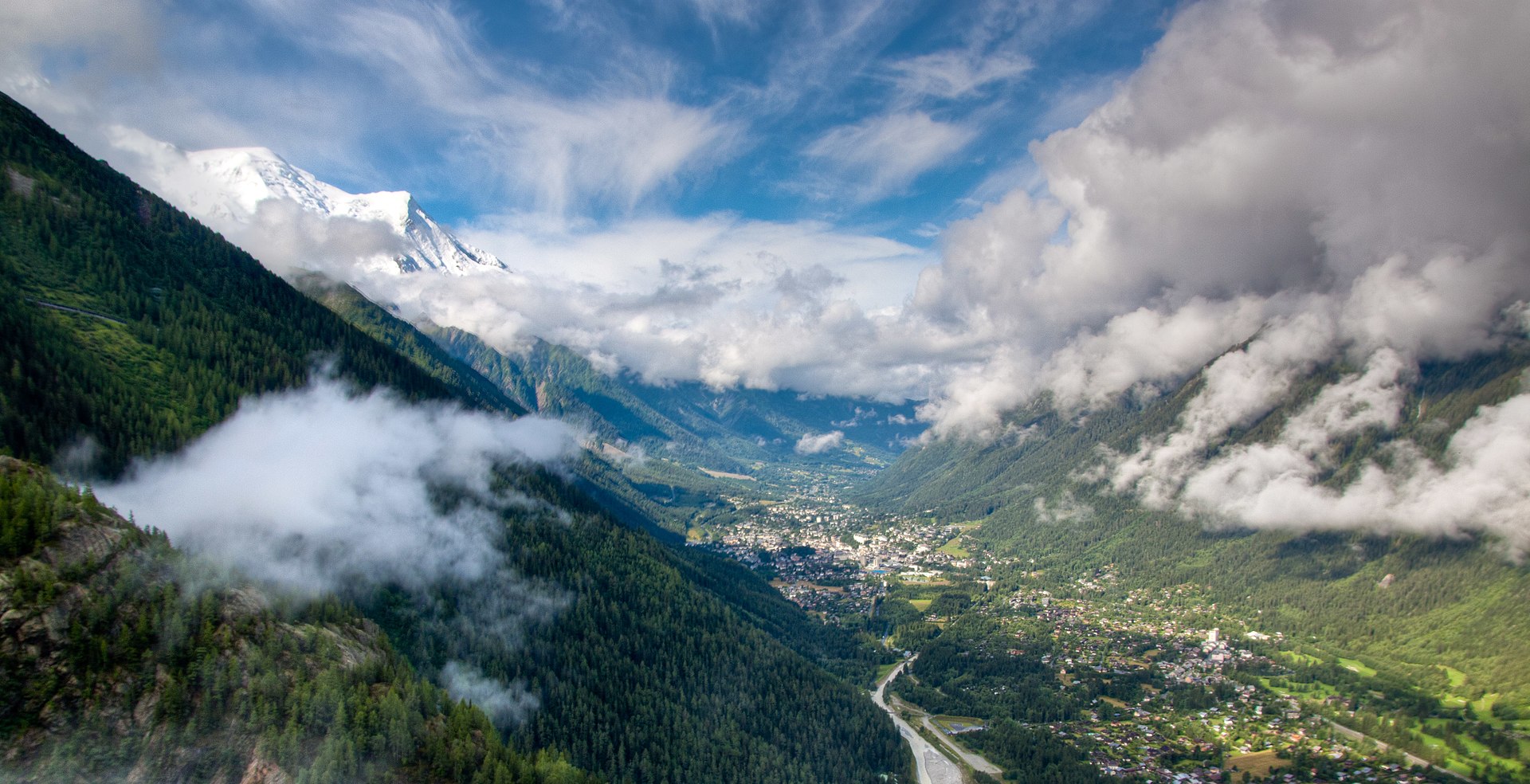
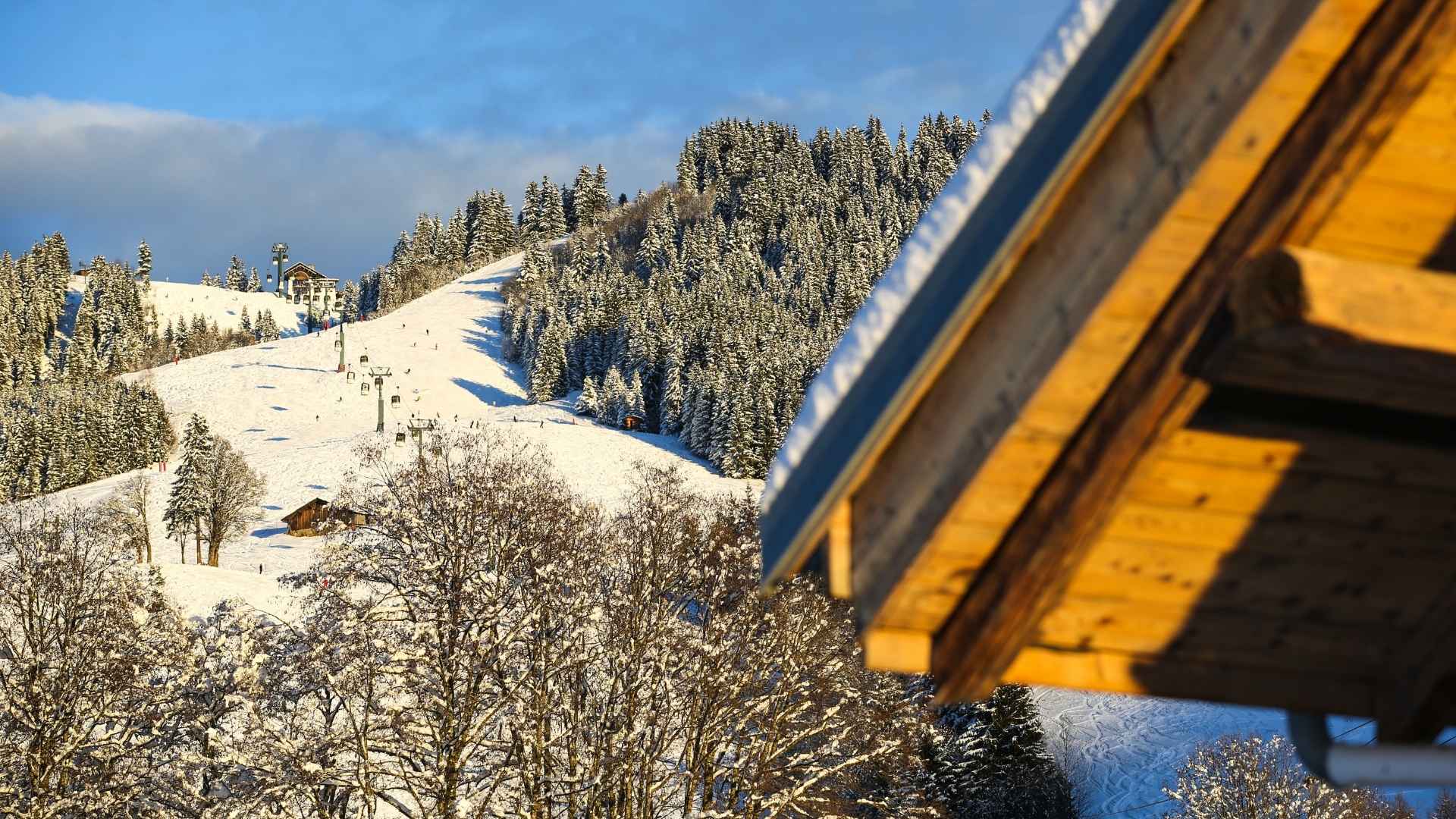
Saint-Gervais has taken a major step towards sustainable, accessible transport with the launch of Le Valléen, a cutting-edge 10-seater eco-friendly gondola that seamlessly connects the Le Fayet SNCF railway station to the heart of Saint-Gervais village. Completed in May 2024, this innovative infrastructure project addresses the growing challenge of road congestion whilst enhancing the visitor and resident experience across the Evasion Mont Blanc ski area.
The gondola eliminates the need for short car journeys between the station and the village centre, reducing traffic and environmental impact. With journey times of just 5 minutes, it represents a modern solution to first-and-last-mile connectivity—a critical issue for mountain towns balancing tourism, residential growth, and environmental stewardship.
This investment reflects broader trends in the French Alps, where improved infrastructure, combined with strong property demand and competitive pricing relative to neighbours like Chamonix, continues to make Saint-Gervais an attractive destination for both second-home buyers and permanent residents seeking mountain living.
THE JOURNEY
From Station to Centre in 5 Minutes
Le Valléen is purpose-built to solve a practical problem facing thousands of visitors and residents each year. Le Fayet SNCF station is the main railway gateway to the region, served by direct trains from Geneva, Lyon, and Paris. However, the village centre—where most hotels, restaurants, and shops are located—sits higher in elevation and roughly 1.5 km away by road.
Before the gondola, travellers faced three options: a 20-30 minute walk uphill, a €15-20 taxi journey, or joining the queue for infrequent shuttle buses. The gondola eliminates these inefficiencies. At 5 minutes end-to-end, it's faster than a taxi, cheaper than motorised transport, and far more pleasant than a steep walk with luggage.
The 10-seater cabins depart every 3-4 minutes during peak hours, creating a seamless connection that feels like part of the journey itself rather than a frustrating bottleneck. This is the essence of good transport design: it should fade into the background by working so well that passengers take it for granted.
5 min
Journey time from Le Fayet station to Saint-Gervais centre via Le Valléen gondola
€2.50
Single journey fare, with 12-trip card at €25 and annual pass at €240
€8,368/m²
Average property price in Saint-Gervais, €2,833/m² below Chamonix
445 km²
Evasion Mont Blanc ski area when fully linked, including Megève and surrounding resorts
PRICING & ACCESSIBILITY
Affordable Fares Encourage Regular Use
The pricing structure is notably reasonable and designed to encourage both visitors and residents to use the system habitually. A single journey costs just €2.50, placing it within reach of almost anyone. For comparison, a taxi would be €15-25, and the energy cost of driving a car approaches €3-4 per journey anyway.
A 12-trip card—sufficient for a week-long visit—costs €25, averaging just €2.08 per ride. Monthly passes are €60, and an annual pass is €240, working out to roughly €0.66 per day for residents. These prices remove the psychological barrier to regular use; it becomes cheaper and more convenient than driving.
The gondola is also accessible to people with reduced mobility, elderly visitors, and families with prams—a demographic often trapped by steep mountain terrain. Beyond the economic argument, Le Valléen represents a social infrastructure investment that improves quality of life for the entire community.
Saint-Gervais Property Prices vs French Alps Comparables (€/m²)
Chamonix
Megève
Morzine
Saint-Gervais
Les Gets Range
French Alps Avg
PROPERTY MARKET IMPACT
Connectivity Drives Real Estate Value
New transport infrastructure typically adds value to nearby property. Saint-Gervais currently shows an average price of €8,368 per square metre—significantly lower than Chamonix property prices at €11,201/m², yet within a similar ski ecosystem. The differential reflects Chamonix's international prestige, but it also represents strong value for buyers who prioritize quality of life over brand name.
The gondola makes Saint-Gervais more attractive to several property buyer segments: remote workers who wanted mountain living but worried about accessibility; families seeking second homes with easy rail and road access; and retirees who want mountain scenery without driving stress. As more people discover the village via improved connectivity, demand for both main homes and second homes is expected to climb.
Within the village centre, properties near the gondola station command premium prices—typically 8-12% above comparable units further away. This 'last-mile premium' reflects the real convenience value that direct, affordable transport provides. Property developers are already planning new residential and commercial projects near the gondola terminus.
“The gondola is not just transport—it's the first impression visitors have of Saint-Gervais, and it sets the tone for an entire stay. Good infrastructure is invisible because it works so well that people take it for granted.”
REGIONAL CONTEXT
Part of a Larger Mountain Ecosystem
Saint-Gervais is not an island—it is a hub within the Evasion Mont Blanc ski area, one of Europe's largest linked domains at 445 square kilometres. When combined with nearby Megève real estate and other connected resorts, the region becomes a year-round destination spanning everything from world-class skiing to hiking, mountain biking, and cultural events.
Le Fayet also serves as a terminus for the Mont Blanc Tramway, a historic rack railway that climbs to 1,909 metres and offers spectacular views of Mont Blanc. Visitors can coordinate train arrival, gondola ascent, tram departure, and evening shopping or dining all within 90 minutes. This choreography of transport options elevates the entire experience.
{{link:Thermal baths}} at Les Thermes de Saint-Gervais add year-round appeal, especially during the spring and autumn shoulder seasons when skiing is not possible. The combination of skiing, hiking, spa facilities, and cultural amenities—plus the now-easy access from Paris via rail—positions Saint-Gervais as one of the Alps' most complete mountain destinations.
| Route/Journey | Duration (before gondola) | Duration (with gondola) | Cost |
|---|---|---|---|
| Station to village centre (standard) | 25-30 min walk / 20-30 min taxi | 5 min gondola | €2.50 single |
| Station to village centre (budget) | Infrequent shuttle bus | 5 min gondola | €2.50 single |
| Village centre to ski base (shuttle) | 20-40 min depending on resort | Eventually: direct cable car | €12–18 |
| Visitor arrival experience | Stressful, confusing transport | Seamless, modern, efficient | Positive brand perception |
| Daily commute for residents | €12–25 daily car fuel + parking | €0.66–2.08 daily gondola pass | Significant savings |
| Winter congestion on approach road | Heavy traffic, accidents, delays | Traffic reduced 20–30% | Safety improvements |
ENVIRONMENTAL & SOCIAL RETURNS
Why Eco-Friendly Transport Matters
Gondolas powered by electricity emit zero tailpipe emissions. In a region dealing with air quality challenges during winter smog episodes, every reduction in cars counts. Le Valléen will prevent hundreds of short car journeys daily, reducing CO2 output and improving air quality in the village centre living area.
Beyond environmental metrics, the gondola improves road safety by removing traffic from a steep, narrow approach road prone to winter ice and congestion. Fewer vehicles mean fewer accidents, faster emergency response times, and a quieter, more liveable village core. These 'soft' benefits rarely appear in cost-benefit analyses, but they define day-to-day quality of life.
The project also serves as a template for other Alpine towns struggling with similar connectivity challenges. Saint-Gervais is now part of a growing movement of European mountain destinations investing in sustainable transport as a fundamental amenity, alongside skiing and accommodation.
2018
Project Conceived
Local government and transport planners identify the Le Fayet–village centre bottleneck as a critical barrier to sustainable tourism and residential growth.
2020–2021
Planning & Permitting
Environmental assessments completed; land acquisition finalised; permits granted for the eco-friendly gondola design and route.
2021–2023
Construction Phase
Foundations, cable towers, and cabin installation underway. Project generates local employment and media interest.
April 2024
Soft Opening
Limited operation begins; staff training and final safety inspections conducted; initial visitor feedback gathered.
May 2024
Grand Opening
Le Valléen officially inaugurated and opened to public. Media coverage highlights eco-friendly innovation and quality-of-life impact.
2024–2026
Phase 2 Planning
Discussions commence for village centre–to–ski slopes cable car and complementary {{link:mountain infrastructure}} projects.
VISITOR EXPERIENCE
Transforming the First Impression
The first 15 minutes of a holiday often define the entire experience. Arriving by train and stepping directly into a modern, efficient gondola system creates a sense of arrival at a well-organised, forward-thinking destination. Conversely, arriving at a congested station with broken shuttle buses and aggressive taxi touts creates anxiety and regret.
Visitors using Le Valléen consistently report that the smooth, quick journey to their hotel sets a positive tone for their stay. Social media posts and online reviews increasingly highlight the gondola as a highlight—not a transport mechanism, but an experience in itself. This positive word-of-mouth marketing benefits the entire destination.
The gondola cabins are also equipped with digital displays showing real-time information about hiking trails, restaurant recommendations, and cultural events. Rather than being a blank 5-minute void, the journey becomes an introduction to what the town offers. This is how modern transport infrastructure doubles as a marketing channel.
FUTURE EXPANSION & INVESTMENT
Building on Momentum
The success of Le Valléen is already prompting discussions about additional transport connections. Local government is exploring a possible cable car linking the village centre directly to the ski slopes at Le Bettex skiing (2,353 metres), further reducing reliance on shuttle buses and private vehicles during winter. Such projects typically have 10-15 year development cycles, so groundwork is starting now.
Private sector interest is also growing. Property developers have announced plans for mixed-use projects—hotels, residences, retail—near the gondola station. Large international hospitality groups are evaluating Saint-Gervais for expansion, attracted partly by improved accessibility. These projects will create construction jobs, permanent employment, and tax revenue.
The mountain infrastructure improvements also attract corporate events, conferences, and team-building retreats that typically favour destinations with excellent road, rail, and internal transport. As Saint-Gervais becomes easier to reach and navigate, expect an expansion of the business tourism segment—a high-margin, year-round revenue source.
FAQs
Frequently Asked Questions
How long is the journey on the gondola?
The journey from Le Fayet SNCF station to the Saint-Gervais village centre takes approximately 5 minutes. Cabins depart every 3–4 minutes during peak hours, so wait times are typically minimal. The entire experience—walking to the boarding area, waiting, and travelling—rarely exceeds 10 minutes.
Is the gondola accessible for people with reduced mobility?
Yes. Le Valléen includes designated cabins with extra space and easy-access doors for wheelchairs, strollers, and mobility aids. Lift assistance is available at both stations. The system was designed with universal accessibility in mind, in compliance with EU accessibility standards.
What are the operating hours?
Summer and winter schedules differ. During ski season (December–April), the gondola operates 7:30 AM–8 PM daily to accommodate evening après-ski traffic. In summer (June–September), hours are 8 AM–6 PM. Off-season hours (May, October–November) are 9 AM–5 PM, subject to weather.
Is the gondola safe during high winds or snow?
Yes. The gondola is equipped with advanced safety systems including automated wind sensors that halt operations if gusts exceed safe limits (typically above 60 km/h). Snow accumulation is monitored and removed proactively. Maintenance is conducted daily, and the system exceeds all French and EU safety standards.
Can the gondola operate year-round in winter conditions?
Yes, though operations may be temporarily suspended during extreme weather. The cables and cabins are heated and de-iced automatically. Winter weather—including heavy snow, ice, and fog—rarely causes prolonged closures. Planned maintenance is typically scheduled during low-traffic weeks.
What happens if I miss my connection or need to go back down?
Cabins run frequently enough that missing one is not a significant inconvenience—the next cabin arrives in 3–4 minutes. If you need to return to the station, simply board a downbound cabin. Fares are per-direction, so a round trip requires two separate tickets or use of a multi-trip card.
Are dogs and pets allowed on the gondola?
Yes, small pets (typically under 10 kg) in carriers are allowed. Service animals and guide dogs travel free. Larger dogs may be restricted during peak hours to ensure comfort and safety for all passengers. Check the operator's website or call the station for specific pet policies.
How has the gondola impacted property prices in Saint-Gervais?
Properties near the gondola station—particularly village centre apartments and small hotels—have seen 8–12% appreciation since opening. Broader village property prices have risen 3–5%, reflecting improved town-wide accessibility and perceived quality of life. Real estate agents report increased buyer interest from remote workers and second-home shoppers.