Chamonix-Mont-Blanc occupies a category of its own among French Alps property markets. It is not technically a ski resort in the modern purpose-built sense — it is a genuine year-round town of nearly 9,000 permanent residents, a birthplace of alpinism dating back to 1741, and the single most internationally recognised address in the French Alps. For property buyers, this combination of real-town infrastructure, global brand recognition and the jaw-dropping Mont Blanc massif creates a market that behaves differently from any other ski resort in France. Prices are higher per m² than most comparably sized villages, year-round demand is stronger, and long-term capital appreciation has consistently outperformed the broader alpine market.
The Chamonix valley stretches 15 kilometres from Les Houches at the southern end to Argentière and Le Tour at the northern end, taking in Chamonix town itself and the hamlets of Les Bossons, Les Praz and Les Chosalets along the way. Each of these villages has its own character, price dynamic and buyer profile. Understanding which part of the valley fits your objectives is the most important decision in a Chamonix purchase — far more consequential than the specific residence or floor plan. A chalet in Les Houches serves a different lifestyle and rental market than an apartment in Chamonix centre or a farmhouse in Argentière.
This guide covers the 2026 state of the Chamonix market across its constituent villages, the fundamental value drivers that make the valley distinctive, rental yield expectations across both chalet and apartment formats, the summer-versus-winter revenue split that differs meaningfully from pure ski resorts, and the practical considerations for international buyers entering the market. Our goal is to give buyers an honest read on what Chamonix offers — and what it does not — rather than repeat the brand marketing that dominates much of the public discussion.
The Valley
Why Chamonix Is Unlike Any Other French Alpine Market
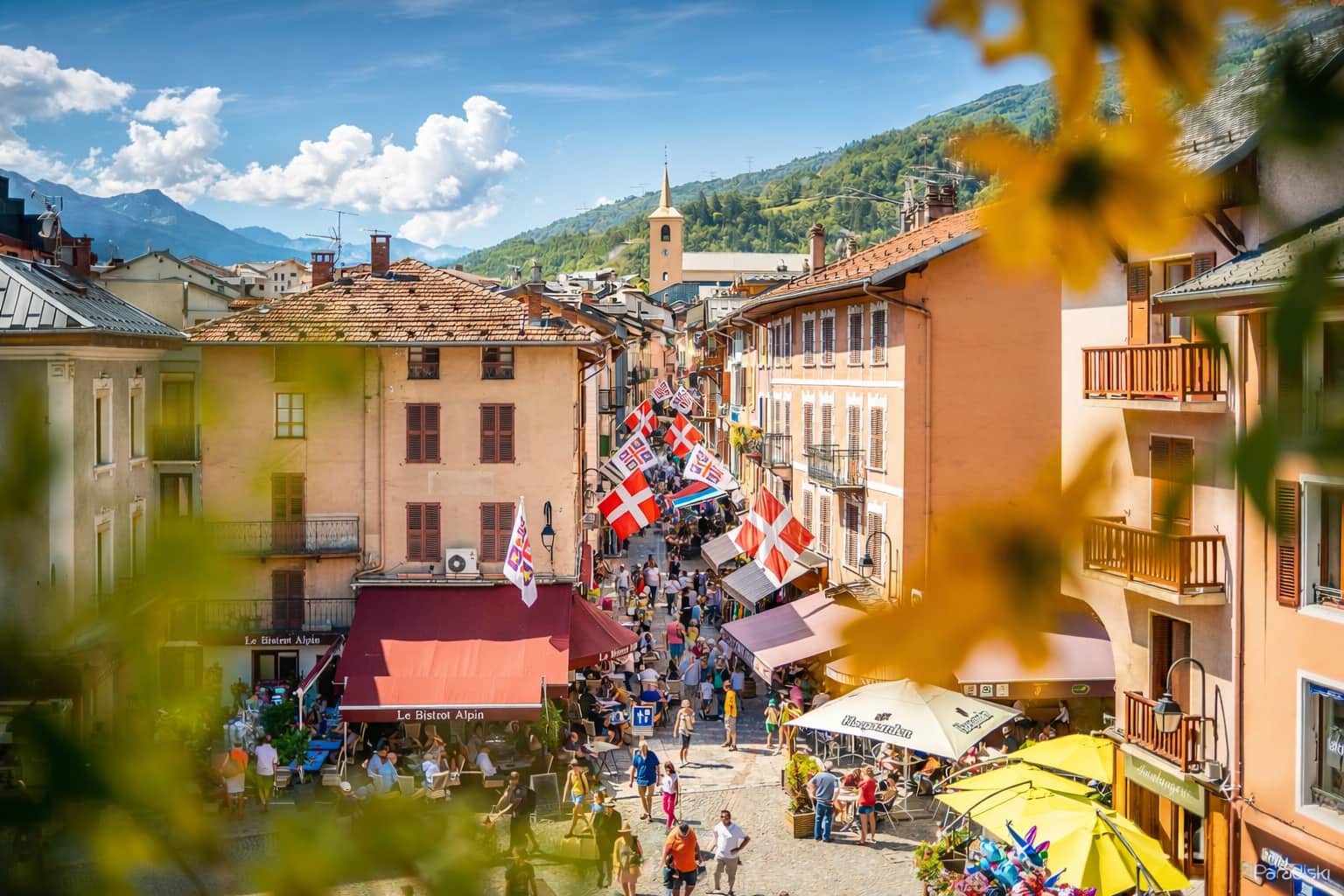
The first thing to understand about Chamonix is that it is a year-round town, not a ski resort that opens from December to April. The permanent population supports schools, hospitals, a railway station with onward SNCF connections, a mountain guide bureau with over 200 professional guides, supermarkets, hardware stores, legal and tax professionals, and a calendar of civic life that continues regardless of season. This town infrastructure affects property values, rental demand patterns, and the practical experience of ownership in ways that purpose-built ski resorts cannot match.
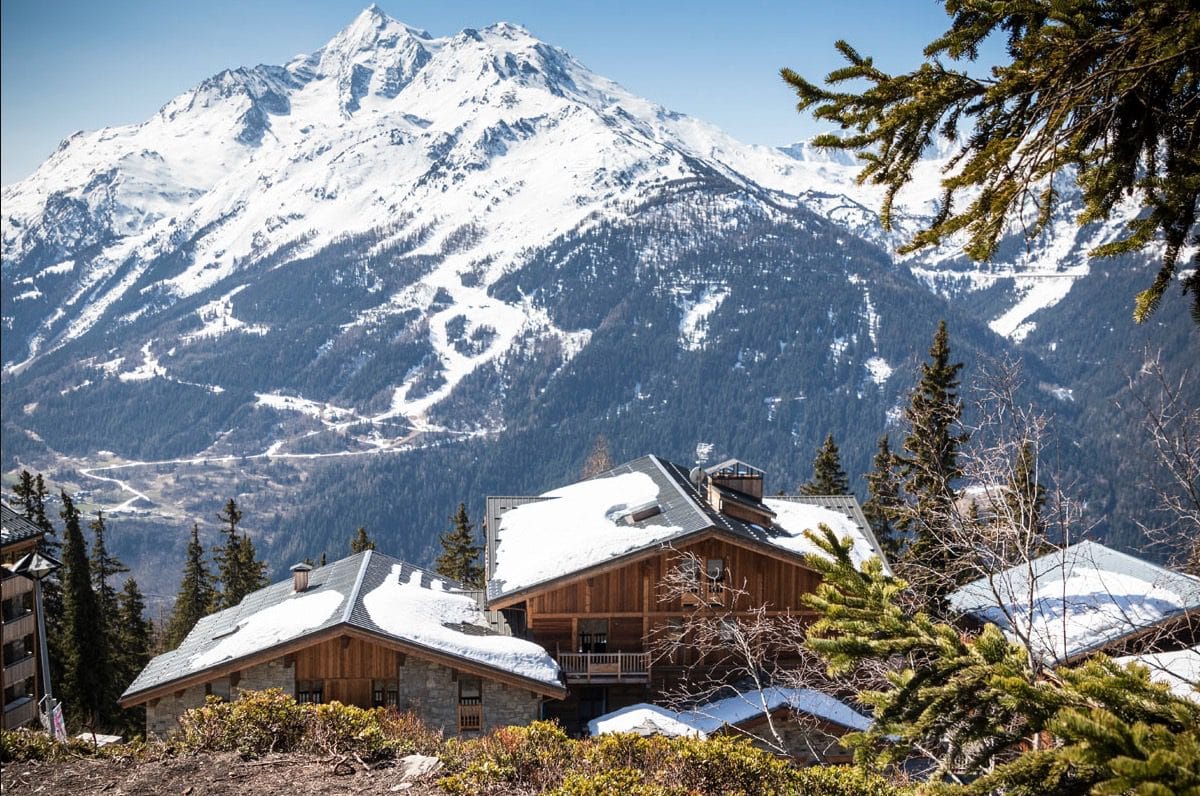
The second thing to understand is the geography. Chamonix sits at the foot of Mont Blanc (4,810m), the highest peak in western Europe, flanked by the Aiguilles de Chamonix on one side and the Aiguilles Rouges on the other. The valley is narrow, which creates specific orientation dynamics — north-facing apartments look across the valley at Mont Blanc and the iconic Aiguilles, which is the view buyers want, while south-facing apartments look toward the Brévent and the less celebrated opposite ridge. Many Chamonix buyers accept north-facing light in exchange for the signature view, a rational trade-off but one that changes the shortlisting criteria relative to other alpine resorts.
The third point is that Chamonix is not a single connected ski domain. The valley has several separate ski areas — Les Grands Montets above Argentière, Brévent-Flégère above Chamonix town, Les Houches at the south end, and the smaller Balme and Tour areas at the north — each with distinct characters and lift systems. A Chamonix ski pass covers them all, and a free shuttle bus links them, but they are not contiguous in the way the Trois Vallées or Paradiski domains are. This fragmented structure is sometimes presented as a disadvantage but in practice most regular Chamonix skiers prefer the variety and the fact that the skiing never feels crowded.
Finally, Chamonix is the global capital of alpinism. The town hosts the French mountain guide training school, the annual Piolets d'Or climbing awards, a steady stream of world-class mountaineering expeditions using Chamonix as a base, and a year-round community of climbers, alpinists and mountain athletes who live in the valley permanently or for extended periods. This creates a layer of year-round demand — for short-term rentals, for professional services, for restaurants and guides — that no other French ski resort has. It is the single most important factor underpinning Chamonix property values.
€7,000–20,000
2026 Chamonix apartment price range per m² across the valley, from Les Houches value to central Mont Blanc-view prime
28–36
Typical weeks of paid rental occupancy per year for a well-managed Chamonix apartment — well above pure ski resort averages
3.0–4.8%
Realistic net rental yield range for professionally managed Chamonix apartments, including VAT-reclaim structures
1:15
Hours driving time from Geneva airport to Chamonix — the shortest transfer of any major French Alps ski resort
Market Snapshot
Chamonix Property Prices in 2026 Across the Valley
The 2026 Chamonix market varies meaningfully by village. Chamonix centre — the town itself — trades in the €10,500-14,500/m² range for typical apartments, rising to €15,000-20,000/m² for premium centrally-located units with Mont Blanc views. Chalets in prime central locations can reach €25,000/m² or more for well-specified properties. This is well above the French Alps average but below Courchevel 1850 or Val d'Isère prime — Chamonix sits in a distinctive middle band of high value without reaching the ultra-premium levels of the Three Valleys top.
Les Houches, at the southern end of the valley, offers the best value. Apartments trade in the €7,000-10,500/m² range, and chalets sit in the €8,500-14,000/m² band. The village has a smaller, more family-oriented character than Chamonix town and a dedicated ski area with a long, user-friendly base-to-summit gondola. Buyers focused on value and family use who don't need daily town-centre access often find Les Houches the most rational choice. The ski offer is excellent and the rental yield story is strong.
Argentière, at the northern end, is the advanced skier's choice because of its proximity to Les Grands Montets — historically one of the most celebrated off-piste ski areas in the world. Property prices sit in the €9,500-13,500/m² range for apartments and €12,000-17,000/m² for chalets. The village is smaller and quieter than Chamonix town, with a more intimate rural character. Buyers who prioritise the skiing experience over the town experience often pick Argentière.
Les Praz is the quiet enclave between Chamonix town and Argentière, home to the 18-hole golf course and an exceptional view across to Mont Blanc. Property prices here are comparable to Chamonix centre — €10,000-14,000/m² for apartments and €13,000-22,000/m² for chalets. It suits buyers who want the Chamonix brand and location without the bustle of the town centre, particularly those who will use the property year-round for lifestyle rather than pure ski holidays.
Chamonix Valley Property Prices by Village 2026 (€/m², apartments)
Les Houches (south)
Argentière (north)
Les Praz
Chamonix centre
Chamonix prime Mont Blanc view
Prime chalets
Year-Round Rental
Rental Yield and the Unique Chamonix Revenue Profile
The Chamonix rental market is structured differently from any other French Alps resort because of its strong summer season. A well-managed two-bedroom apartment in central Chamonix typically achieves 28-36 weeks of paid occupancy across a year — meaningfully higher than the 22-28 weeks typical in pure ski resorts. This is because Chamonix runs a genuine second season from mid-June to mid-September driven by hiking, mountaineering, paragliding, and the simple appeal of spending summer time at the foot of Mont Blanc.
Revenue splits vary by property type and position, but typical modern apartments in central Chamonix earn roughly 55-60% of annual revenue from winter, 30-35% from summer, and 10-15% from shoulder seasons. This compares to 75-85% winter-weighted in most pure ski resorts. The summer season in Chamonix commands €900-1,800 per week for a mid-market two-bedroom apartment, which is comparable to off-peak winter rates and dramatically higher than summer rates in most other alpine destinations.
Net yields after management, syndic, taxes and voids land in the 3.0-3.8% range for standard rental, rising to 3.8-4.8% for classified meublé de tourisme operations with VAT reclaim through an approved operator. For chalet-format properties, yields are typically a percentage point lower because the management cost per weekly booking is higher and the capital cost is larger. These figures are genuinely achievable and durable, and are among the strongest rental yields available in the French Alps for comparable purchase prices.
The summer season also affects the rental segment mix. Chamonix attracts an older, more international, more activity-driven guest base than most ski-winter-focused resorts, which translates into longer average stays, better repeat-booking rates, and lower damage or service issues. Professional rental operators often describe Chamonix summer bookings as materially easier to manage than summer bookings in other alpine resorts because the guests come with specific activity plans rather than generic holiday intentions.
“Chamonix is the only French Alps address where you can run a 30-week rental calendar without relying on the ski season. Year-round demand is the single most distinctive value driver in the valley.”
Transport
Getting to Chamonix and Why It Matters for Value
Chamonix is better connected than almost any other French Alps resort because it sits at the intersection of three major transport corridors. Geneva airport is 1 hour 15 minutes by road — the shortest transfer from any major international airport to any major French ski resort. The direct train from Saint-Gervais-Les-Bains-Le Fayet (which connects to the SNCF main line from Paris and Lyon) serves Chamonix town station directly. The Mont Blanc Tunnel provides a 20-minute road crossing to Courmayeur in Italy, giving Chamonix buyers access to Italian restaurants, shopping and a second ski domain without a serious journey.
The Geneva-Chamonix road is fully motorway-grade until the final valley section, which makes winter driving relatively easy even for guests with no alpine experience. Chamonix does not require chains on the approach from Geneva in the way that Tarentaise resorts do, which is a significant advantage for rental-focused owners because it lowers the barrier to entry for less experienced guests. Many international buyers cite the ease of Geneva transfer as a primary reason for choosing Chamonix over more remote Tarentaise alternatives.
The train connection is distinctive. A Paris-Lyon TGV plus regional connection delivers Parisian buyers to Chamonix in under 5 hours. London buyers can combine Eurostar to Paris with TGV onward in a theoretical 7-8 hours but in practice usually prefer to fly to Geneva. The train option is more heavily used by French domestic buyers and by guests who want to avoid airport transfers entirely. For owners planning frequent self-use, the Geneva 1:15 drive is genuinely compatible with weekend visits.
| Village | Character | 2026 Apartment Range | Best For |
|---|---|---|---|
| Chamonix centre | Year-round town, vibrant | €10,500–14,500 | Town lovers, year-round use |
| Les Houches | Family ski, quieter | €7,000–10,500 | Value-focused families |
| Argentière | Advanced ski, intimate | €9,500–13,500 | Keen skiers, off-piste |
| Les Praz | Quiet, golf course, view | €10,000–14,000 | Lifestyle, year-round residents |
| Les Bossons | Residential, close to town | €8,500–12,000 | Practical year-round use |
| Le Tour (far north) | Small hamlet, quiet | €8,000–11,500 | Ski-focused, rural feel |
Buying Process
VEFA, Resale and the Specifics of the Chamonix Market
Chamonix's property market is unusual among French Alps resorts in that new-build supply is genuinely scarce. Planning constraints in the valley have limited large new developments over the last decade, with most recent projects being small infill residences of 10-25 apartments or individual chalets rather than the 50-150 unit residences common in purpose-built Tarentaise resorts. VEFA purchases are available but competitively bid, and buyers often face waiting lists for the best lots in popular developments.
As a result, the Chamonix market is dominated by resale transactions rather than new-build. Notaire fees on resale are 7-8% of purchase price compared to 2.5-3% on new-build, which materially affects the all-in purchase cost. Buyers should factor these fees into their budget from the outset — on a €700,000 Chamonix apartment, the difference is roughly €30,000-35,000 between resale and new-build transaction costs. This is a real consideration but should not be the sole factor given the scarcity of new-build alternatives.
For buyers specifically seeking new-build in Chamonix, the key is working with an agent who has early visibility into upcoming projects before they are publicly marketed. Domosno maintains close relationships with the small number of active Chamonix promoters and can often introduce buyers to upcoming developments at the pre-commercialisation stage, which offers both first-choice of lots and more favourable pricing. For most buyers, however, resale remains the primary route into the market.
1741
First British visitors
Thomas Pocock and William Windham publish the first English-language account of Chamonix, launching the valley's centuries-long relationship with international visitors.
1786
First ascent of Mont Blanc
Jacques Balmat and Dr Michel-Gabriel Paccard summit Mont Blanc, establishing Chamonix as the birthplace of modern alpinism.
1924
First Winter Olympics
Chamonix hosts the first Winter Olympic Games, cementing its status as the international capital of winter sports and driving a first wave of ski infrastructure.
1955
Aiguille du Midi cable car
The Aiguille du Midi cable car opens, reaching 3,842m and providing the highest lift-accessed point in Europe — still one of the signature experiences in the French Alps.
2016
Grands Montets fire
A fire destroys the Grands Montets upper station, triggering a multi-year reconstruction and lift modernisation programme across the Argentière sector.
2025-26
Grands Montets reopens fully
The rebuilt Grands Montets upper lift system returns to full operation, restoring access to one of the most celebrated off-piste ski sectors in the French Alps.
Value Drivers
What Actually Drives Long-Term Chamonix Property Value
Long-term property value in Chamonix is driven by three factors that are largely absent in pure ski resorts. The first is genuine scarcity of buildable land — the valley is narrow, steep and largely protected by environmental and planning rules, which means new supply grows slowly. Over the last decade, Chamonix has added only a few hundred new apartments and chalets compared to the thousands added in Tarentaise resorts over the same period. Scarcity is the foundation of the price premium.
The second driver is year-round demand. The permanent population, the professional mountain guide community, the alpinism tourism industry, and the summer hiking and mountain biking market all create demand that is independent of ski-season snow conditions. When winter snow is poor, Chamonix loses some ski-weighted revenue but retains most of its year-round baseline. This makes the Chamonix rental market less volatile than pure ski resorts and supports higher sustained prices.
The third driver is brand recognition. Chamonix is globally known in a way that most French Alps resorts are not — even outside the core ski market, it is one of the few alpine names that translates across languages and cultures. This brand strength translates directly into resale liquidity: Chamonix properties sell faster and at stronger prices when put on the market than equivalent properties in less well-known resorts. For buyers planning a purchase horizon of 10+ years, brand strength matters.
Against these positive drivers, buyers should weigh two real risks. First, climate change is a slower-burn concern for valley-floor ski operations at 1,000m, though most of the Chamonix ski terrain is above 1,800m and the glacier sectors above 2,500m. Second, the valley is narrow and traffic congestion at peak weeks can be significant — buyers should visit during February school holidays to understand the worst-case experience before committing.
Who It Suits
Which Buyers Chamonix Really Suits and Which Should Look Elsewhere
Chamonix is a strong fit for buyers who want a genuine year-round town, global brand strength, easy Geneva airport access, and a rental market that works across both winter and summer. It suits lifestyle buyers who plan to spend extended periods in their property, not just a couple of ski weeks. It suits families with mixed interests — climbers, hikers, skiers, photographers — who want a base for varied alpine activities. And it suits investment-focused buyers who value rental yield stability and capital appreciation over pure speculative upside.
Chamonix is a weaker fit for buyers who want a compact ski-focused experience in a single connected domain (Val Thorens, Les Arcs, La Plagne offer this better), who want purpose-built ski-in/ski-out convenience in a modern resort (Val d'Isère, Tignes, Courchevel are better), or who are purely yield-focused and want to minimise purchase price per m² (Les Carroz, Les Saisies, Valmeinier offer better entry points). Chamonix demands a higher entry price and rewards it with year-round use rather than pure winter skiing.
For buyers comparing Chamonix specifically to Megève — the other main French Alps year-round town — the trade-off is skiing versus village aesthetic. Chamonix has better skiing, more serious terrain, and a stronger international profile. Megève has more picturesque traditional architecture, a more refined village shopping and dining scene, and a quieter pace of life. Both are excellent choices for year-round buyers, and the decision usually comes down to personal priorities on skiing versus village refinement.
FAQs
Frequently Asked Questions
Is Chamonix a good property investment?
Yes, with qualifications. Chamonix has consistently outperformed the broader French Alps market for long-term capital appreciation due to scarcity of buildable land, year-round demand and strong brand recognition. Rental yields are also higher than most comparably sized resorts because of the 28-36 week occupancy profile. The main trade-off is higher entry price per m² than purpose-built Tarentaise resorts, which matters for short-term yield-focused buyers.
Which village in Chamonix is best?
It depends on the buyer. Chamonix centre suits year-round town lovers. Les Houches offers the best value and strong family appeal. Argentière is best for advanced skiers because of Les Grands Montets access. Les Praz and Les Bossons suit quieter lifestyle buyers. Domosno works across all villages and can help buyers understand which fits their specific objectives best.
What is the rental yield in Chamonix?
Realistic net yields for professionally managed apartments are 3.0-3.8% for standard rental management, rising to 3.8-4.8% for owners using classified meublé de tourisme status with VAT reclaim through an approved operator. These yields are among the strongest in the French Alps for comparable purchase prices, driven by the 28-36 week occupancy cycle that includes a strong summer season most ski resorts cannot match.
How far is Chamonix from Geneva airport?
Chamonix is 1 hour 15 minutes from Geneva airport by road — the shortest transfer from any major international airport to any major French Alps ski resort. The road is motorway-grade until the final valley section, which makes it relatively easy to drive in winter. This short transfer is a meaningful rental advantage because it lowers the barrier to entry for less experienced alpine visitors.
Does Chamonix have a ski-in/ski-out apartment market?
Ski-in/ski-out in the pure sense is limited in Chamonix because the village ski areas require shuttle access. However, properties very close to specific lift stations — particularly in Les Praz close to the Flégère télécabine, and in Les Houches close to the Prarion gondola — function effectively as ski-in/ski-out from a practical standpoint. Buyers prioritising true ski-in/ski-out convenience may find Les Houches the easiest fit.
Is Chamonix worth visiting in summer?
Exceptionally so. The valley has one of the strongest summer mountain profiles in Europe, with the Aiguille du Midi cable car, extensive hiking networks, the Mer de Glace glacier visitor site, mountain biking, paragliding, climbing, and a full calendar of summer events. Summer rental demand is nearly as strong as winter, which is why year-round rental yields in Chamonix significantly outperform pure ski resorts.
What does it cost to buy a chalet in Chamonix?
Modest traditional chalets in less central positions start around €1.2-1.8 million. Mid-market chalets in central positions with Mont Blanc views sit in the €2.5-4.5 million range. Premium chalets with architectural credentials, prime locations and large plots can exceed €6 million, and the absolute top of the market reaches €15-20 million. Chamonix chalet prices are meaningfully above comparable apartments on a per-m² basis.
Should I buy new-build or resale in Chamonix?
Most Chamonix buyers end up in resale because new-build supply is genuinely scarce — planning constraints limit new projects to small infill developments. When new-build is available, it carries lower notaire fees (2.5-3% vs 7-8% on resale) and more modern specifications, making it attractive when the specific lot fits the buyer's needs. Domosno monitors the small new-build pipeline and can introduce buyers to upcoming projects at pre-commercialisation.