Thermodynamic Heating: Energy Efficiency in French Properties
When purchasing a ski property in France, energy efficiency is a critical factor to consider. Many older properties in ski resorts have energy ratings of E, F, or G, meaning they are not well insulated and can be costly...
When purchasing a ski property in France, energy efficiency is a critical factor to consider. Many older properties in ski resorts have energy ratings of E, F, or G, meaning they are not well insulated and can be costly to heat during winter. Maintaining a comfortable indoor climate with cold alpine temperatures can lead to excessive energy consumption and high utility bills. That's why choosing a property with a low-energy heating system, such as thermodynamic heating, is increasingly important. This system reduces the environmental impact and offers long-term cost savings by optimising energy use.
Thermodynamic heating provides a modern and efficient solution for ski properties, allowing you to enjoy the warmth and comfort you need without the high costs associated with less efficient heating systems. Below, we explore how this system works and the benefits it brings to homeowners looking for a sustainable and cost-effective option.
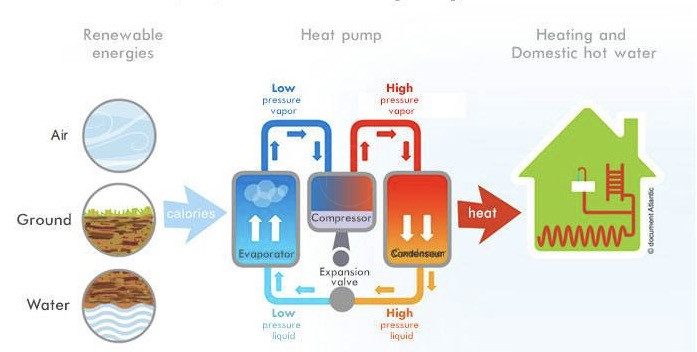
Thermodynamic heating is a system that uses a heat pump to capture calories present in the air, water, or ground and convert them into usable heat for warming a building or producing domestic hot water. Here is an overview of how it works and its benefits:
How Thermodynamic Heating Works
Heat Capture: Using a refrigerant fluid, a heat pump extracts calories from a renewable energy source (air, water, or ground).
Fluid Compression: The refrigerant fluid is compressed, raising its temperature.
Heat Transfer: The generated heat is transferred to the water in the heating system or domestic hot water, depending on the type of heat pump used.
Continuous Cycle: The refrigerant expands and returns to its initial state to start the cycle of capturing calories again.
Types of Thermodynamic Heat Pumps
Air-to-Air: Captures calories from outside air and converts them into warm air inside the building.
Air-to-Water: Captures calories from outside air and transfers them to a water circuit that feeds radiators or underfloor heating.
Water-to-Water: Captures calories from groundwater or another water source and transfers them to a heating water circuit.
Ground-to-Water (geo-thermal): Captures calories from the ground through buried sensors and transfers them to a heating water circuit.
Benefits of Thermodynamic Heating
Energy Efficiency: Thermodynamic heat pumps can produce more heat than the electricity they consume, with performance coefficients (COP) often exceeding 3 or 4.
Cost Savings: Significant reduction in heating bills by using a renewable energy source.
Environmentally Friendly: Fewer CO2 emissions compared to traditional heating systems, contributing to the fight against climate change.
Versatility: Can be used for heating, cooling, and domestic hot water production.
In summary, thermodynamic heating is a modern and eco-friendly solution that uses the principles of thermodynamics to capture and transform renewable energy into heat for buildings.
In terms of operation, thermodynamic heating is discreet, as its presence inside your home will be undetectable. The heat is distributed through a network of pipes buried in the flooring. Heated water from the external system circulates through this network, providing comfortable warmth throughout the house. Naturally, this heating system is preferable in new construction, as it requires integrating the entire system into the house itself.
Regarding energy consumption, thermodynamic heating relies on renewable energy from the surrounding air. Its electricity usage is minimal, as the compressor is the only component that requires electricity, which raises the temperature of the water circulating in the pipes. Additionally, it does not produce any harmful gas emissions or pollutants.
Lastly, thermodynamic heating improves indoor air quality by incorporating an integrated purification system. This prevents you from breathing air contaminated with bacteria. The airflow created by the system ensures consistent warmth in every room of the house and improves overall air quality.

 When purchasing a ski property in France, energy efficiency is a critical factor to consider. Many older properties in ski resorts have energy ratings of E, F, or G, meaning they are not well insulated and can be costly to heat during winter. Maintaining a comfortable indoor climate with cold alpine temperatures can lead to excessive energy consumption and high utility bills. That's why choosing a property with a low-energy heating system, such as thermodynamic heating, is increasingly important. This system reduces the environmental impact and offers long-term cost savings by optimising energy use.
Thermodynamic heating provides a modern and efficient solution for ski properties, allowing you to enjoy the warmth and comfort you need without the high costs associated with less efficient heating systems. Below, we explore how this system works and the benefits it brings to homeowners looking for a sustainable and cost-effective option.
Thermodynamic heating is a system that uses a heat pump to capture calories present in the air, water, or ground and convert them into usable heat for warming a building or producing domestic hot water. Here is an overview of how it works and its benefits:
When purchasing a ski property in France, energy efficiency is a critical factor to consider. Many older properties in ski resorts have energy ratings of E, F, or G, meaning they are not well insulated and can be costly to heat during winter. Maintaining a comfortable indoor climate with cold alpine temperatures can lead to excessive energy consumption and high utility bills. That's why choosing a property with a low-energy heating system, such as thermodynamic heating, is increasingly important. This system reduces the environmental impact and offers long-term cost savings by optimising energy use.
Thermodynamic heating provides a modern and efficient solution for ski properties, allowing you to enjoy the warmth and comfort you need without the high costs associated with less efficient heating systems. Below, we explore how this system works and the benefits it brings to homeowners looking for a sustainable and cost-effective option.
Thermodynamic heating is a system that uses a heat pump to capture calories present in the air, water, or ground and convert them into usable heat for warming a building or producing domestic hot water. Here is an overview of how it works and its benefits:
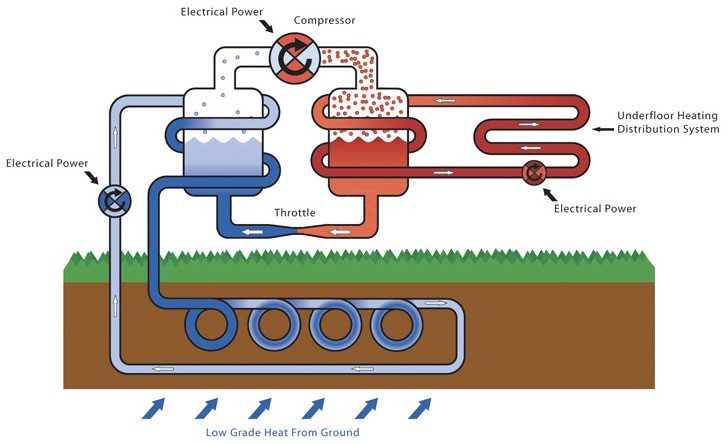 In terms of operation, thermodynamic heating is discreet, as its presence inside your home will be undetectable. The heat is distributed through a network of pipes buried in the flooring. Heated water from the external system circulates through this network, providing comfortable warmth throughout the house. Naturally, this heating system is preferable in new construction, as it requires integrating the entire system into the house itself.
Regarding energy consumption, thermodynamic heating relies on renewable energy from the surrounding air. Its electricity usage is minimal, as the compressor is the only component that requires electricity, which raises the temperature of the water circulating in the pipes. Additionally, it does not produce any harmful gas emissions or pollutants.
Lastly, thermodynamic heating improves indoor air quality by incorporating an integrated purification system. This prevents you from breathing air contaminated with bacteria. The airflow created by the system ensures consistent warmth in every room of the house and improves overall air quality.
In terms of operation, thermodynamic heating is discreet, as its presence inside your home will be undetectable. The heat is distributed through a network of pipes buried in the flooring. Heated water from the external system circulates through this network, providing comfortable warmth throughout the house. Naturally, this heating system is preferable in new construction, as it requires integrating the entire system into the house itself.
Regarding energy consumption, thermodynamic heating relies on renewable energy from the surrounding air. Its electricity usage is minimal, as the compressor is the only component that requires electricity, which raises the temperature of the water circulating in the pipes. Additionally, it does not produce any harmful gas emissions or pollutants.
Lastly, thermodynamic heating improves indoor air quality by incorporating an integrated purification system. This prevents you from breathing air contaminated with bacteria. The airflow created by the system ensures consistent warmth in every room of the house and improves overall air quality.

